
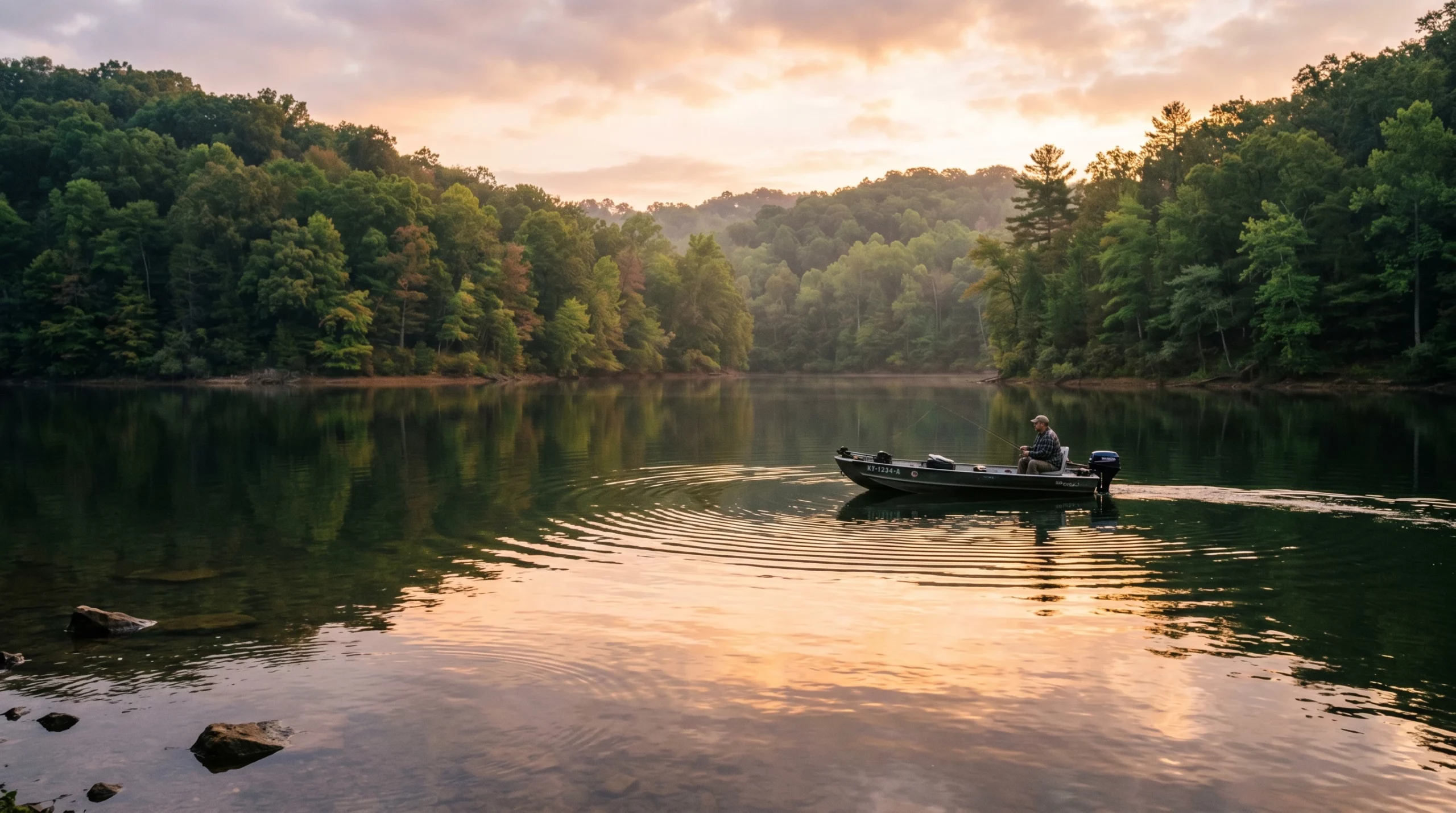
Master lake reading: understand edges, wind, cover, depth, food, comfort, and fish movement for a simple bank-fishing system. Master lake reading: understand edges, wind, cover, depth, food, comfort, and fish movement for a simple bank-fishing system.
Edges are crucial—they’re the highways and byways for fish. Think about where the shallow water meets the deep, where the weeds meet open water, or where a sandy bottom transitions to rock. These are prime ambush points. Wind, often overlooked, dictates where baitfish and, therefore, game fish will congregate.
A steady breeze pushing across a point can create a current that delivers food right to the fish. Cover, whether it’s a fallen tree, a weed bed, or a dock, provides security and shade, making it an attractive hangout for predators. Depth changes can hold fish in different seasons, so understanding how fish relate to thermoclines or drop-offs is key.
Food sources, of course, are paramount. If you can identify what the fish are eating, you can present an imitation effectively. Comfort, often tied to water temperature and oxygen levels, will influence where fish choose to reside.
Finally, understanding fish movement—how they patrol, feed, and retreat—allows you to anticipate their presence and present your offering with precision. By combining these elements, you can develop a cohesive strategy for consistent bank-fishing success.