Wind Direction Predicts Where Fish
Most anglers focus on lures, colors, or gear. But the biggest factor that determines where fish will be on any lake is something far simpler and far more predictable: wind direction.
If you understand how wind moves water, food, and oxygen, you can walk onto almost any lake and know exactly where the highest‑percentage spots are before you ever make a cast. This is the foundation of the Every Lake Guide system, and it’s one of the fastest ways for beginners to start catching more fish.
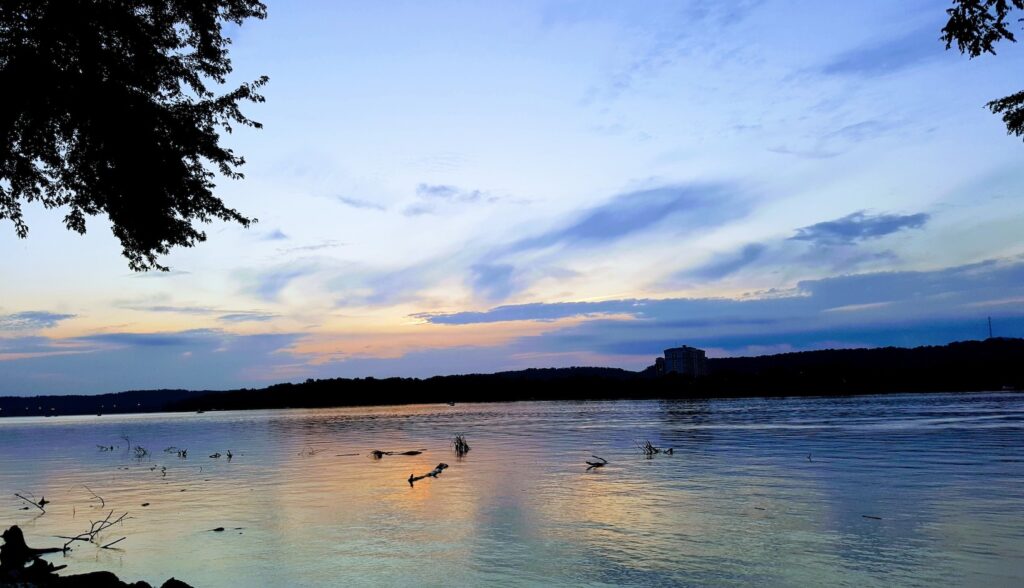
This guide breaks down how wind direction works, why it matters, and how to use it to choose the best spots on any lake.
Why Wind Matters More Than Most Anglers Realize
Wind does three things that completely change how fish behave:
- It pushes warm surface water across the lake.
- It concentrates food (plankton, insects, baitfish) on the wind‑blown side.
- It increases oxygen and wave action, which triggers feeding.
Fish follow these changes.
If the wind pushes food into a bank, fish follow the food.
If the wind warms a shallow flat, fish move into that flat.
If the wind stirs up the bottom, catfish and carp feed more aggressively.
Wind direction is not a small detail.
It’s the map.
How Wind Direction Actually Works
Wind direction is named for the direction the wind is coming from, not where it’s going.
Examples:
- A south wind blows from the south toward the north.
- A west wind blows from the west toward the east.
- A north wind blows from the north toward the south.
This means:
The best bank to fish is usually the one the wind is blowing into.
If the wind is coming from the south, the north bank is the wind‑blown bank.
If the wind is coming from the west, the east bank is the wind‑blown bank.
This is where food collects.
This is where oxygen increases.
This is where fish feed.
What Happens on the Wind‑Blown Bank
When wind pushes water into a shoreline, several things happen at once:
1. Food stacks up
Plankton, insects, and drifting debris get pushed into the bank.
Baitfish follow the food.
Predators follow the baitfish.
2. Oxygen increases
Wave action mixes oxygen into the water.
More oxygen means more active fish.
3. Water warms faster
Wind pushes warm surface water into the bank.
In spring and fall, this can turn a dead shoreline into a feeding zone.
4. Mud and silt get stirred up
This attracts catfish, carp, and other bottom feeders.
The wind‑blown bank is often the most productive area on the lake, especially for beginners who want simple, predictable results.
When the Wind‑Blown Bank Is NOT the Best Spot
There are exceptions, and knowing them gives you an edge.
1. Extremely strong winds
If the wind is too strong, fish may slide slightly off the bank into nearby points, pockets, or deeper edges.
2. Winter cold fronts
A cold north wind can push frigid surface water into a bank.
In this case, fish may avoid the wind‑blown side and hold deeper.
3. Very muddy lakes
If the wind muddies the water too much, sight‑feeding species like bass or crappie may move to clearer water.
These exceptions are rare, but they matter.
How to Use Wind Direction to Pick a Spot in Minutes
Here’s the simple, beginner‑friendly method:
Step 1: Check the wind direction
Use any weather app.
Look for the arrow or the degree reading.
Step 2: Identify the wind‑blown bank
If the wind is from the southwest, the northeast bank is the wind‑blown bank.
Step 3: Look for structure on that bank
The best wind‑blown spots are:
- Points
- Coves
- Drop‑offs
- Inflows
- Shallow flats
Step 4: Start your 45‑minute search pattern
Fish the wind‑blown bank first.
If nothing happens, move to the nearest point or drop‑off.
This is the core of your 2‑hour plan.
How Different Species React to Wind
Bass
Bass follow baitfish.
Baitfish follow wind.
Wind‑blown points and banks are prime bass spots.
Crappie
Crappie suspend around structure.
Wind pushes plankton, which draws baitfish, which draws crappie.
Catfish
Wind stirs up the bottom and pushes scent.
Catfish feed aggressively on wind‑blown banks.
Bluegill
Bluegill move shallow on warm, windy days.
Perfect for kids and beginners.
Trout
Wind ripple breaks the surface, making trout more comfortable feeding.
Carp
Wind pushes warm water and food into shallow flats.
Carp follows both.
Wind affects every species differently, but the pattern is always predictable.
How to Use Wind Direction on Small Lakes
Small lakes react to wind faster than big lakes.
A 5–10 mph wind can change the entire lake in under an hour.
This makes wind direction one of the most reliable tools for beginner fishing small community lakes, park lakes, and reservoirs under 100 acres.
If you fish small lakes, wind direction is your biggest advantage.
Putting It All Together
If you want to catch more fish on any lake, start with the wind.
It tells you:
- Which bank to fish
- Where food is collecting
- Where oxygen is highest
- Where fish are feeding
- Where to start your 2‑hour plan
Wind direction is the simplest, most powerful tool a beginner can learn.
And once you understand it, you’ll never look at a lake the same way again.
Want a Lake‑Specific Wind Plan?
Every Lake Guide includes:
- Wind‑blown banks for each lake
- Best spots for each wind direction
- Seasonal adjustments
- Multi‑species strategies
- A complete 2‑hour fishing plan
If you want to see how this works on a real lake, start with the Alexandria Community Park Lake Guide.