
Explain Wind’s Challenges And Benefits For Fishing, Impacting Fish, And Strategy
Wind has a big impact on fishing, influencing everything from how fish behave to the choices I make about where, when, and how to fish. While calm days offer certain advantages, windy conditions often create opportunities and bring real challenges. I want to share a clear, friendly run-down of how wind affects fishing, both positively and negatively, along with some practical tips for adjusting strategy based on what the weather brings.
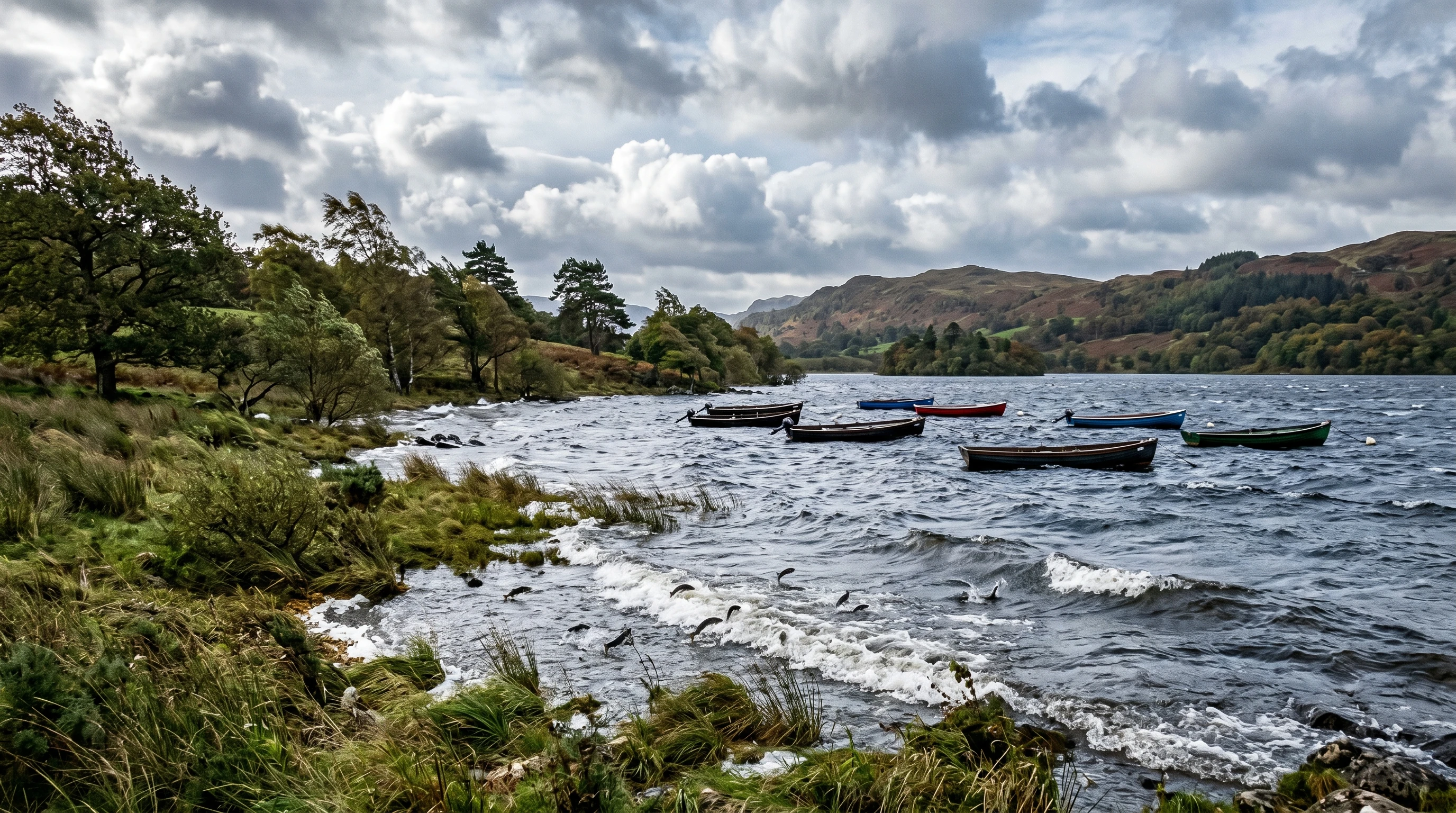
Understanding How Wind Affects Fish and Water
Wind changes conditions on the water almost instantly, but there’s more going on than just making waves. When I’m fishing, I pay close attention to wind direction, speed, and how long it has been blowing. Here’s what tends to happen as a result:
- Water Movement: Wind pushes the water’s surface, creating currents. These currents can carry food, stir up sediment, and make the shallow areas more active.
- Oxygen Levels: Waves mix air into the water, increasing oxygen. Fish are often more active when oxygen levels are higher, particularly warm-water species.
- Temperature Changes: Wind can churn up warm or cool water from different layers, changing where fish feel comfortable.
There’s a direct link between wind and fish behavior. Some fish will follow the current and food, which means I often need to switch strategies as the wind changes.
Wind’s Benefits for Fishing
Plenty of anglers I know get excited when the forecast calls for a steady breeze. Here are some reasons why wind can work in my favor while fishing:
- Concentrates Baitfish: Wind pushes plankton and other small organisms into shorelines and certain areas. Baitfish chase after food, and bigger predatory fish, like bass, walleye, and pike, follow the bait.
- Breaks Up the Surface: When the water isn’t still, fish are less likely to notice my boat or my line. I can often get closer to fish or use heavier line and larger lures without scaring them.
- Masks Angler Movement: Splashy water mutes sounds, so I have a better chance of sneaking up on fish.
One of my favorite fishing memories is catching several largemouth bass along a windy shoreline on a summer afternoon. The bait had been packed into one stretch of bank, and every cast produced action. On windy days, it’s not unusual for the feeding window to be at its most active.
Common Challenges Wind Creates for Anglers
Wind offers clear perks, but it can also create obstacles that are tough to ignore. Here are some hurdles I’ve faced on the water:
- Boat Control: Keeping my boat steady or on course can be tough in strong winds. Anchoring sometimes helps, but I often need to reposition or use a trolling motor just to keep my spot.
- Accuracy When Casting: The wind grabs my lure and pushes it off target. Lightweight lures fly off course, and even heavier baits can be hard to manage when gusts pick up.
- Line Handling: Wind knots, tangles, and unwanted slack in the line can ruin a good drift or make it harder to feel bites.
- Personal Safety: High winds make waves bigger and ramp up the risk for small boats or kayaks, especially if the shoreline is far away.
Boat Control in the Wind
When I’m in a small boat, kayak, or on a larger fishing vessel, wind changes how I approach every spot. Using drift socks, setting the anchor from both bow and stern, or relying on a trolling motor can help. Some days, sticking closer to the windy shore feels safer and a lot more productive.
Casting and Handling Line on Windy Days
I usually switch to heavier lures or more streamlined tackle that cuts through gusts more easily. Braided line or less-stretchy monofilament helps me control the bait and feel what’s happening beneath the surface. Watching for wind direction and strength is really important since gusts come and go throughout the day. Practice goes a long way toward improving your casting accuracy in wind, even if it means missing a few spots now and then. Staying flexible with your casting angles or switching up lures is sometimes all it takes to stay on fish.
Staying Safe and Comfortable
Safety is never optional. I always wear a life jacket and keep an eye on weather alerts or sudden changes in wind. Sometimes, heading back to shore early is the smartest move. Snacks, water, and extra clothes are a given for every trip, especially when the wind chill makes things colder than expected.
Types of Wind and Their Effects on Fishing
Not all wind has the same influence. Factors like wind speed, how long it’s been blowing, and, most importantly, wind direction play a big part in fish behavior.
- Consistent Winds: A steady breeze often pushes bait and activates feeding, especially along the windward (upwind) shore.
- Gusty or Swirling Winds: Directional changes scatter baitfish and can confuse predatory fish and anglers alike.
- Newly Started or Changing Winds: Fish may go quiet until the water settles down.
Some anglers believe “a west wind means fish bite best,” but in my experience, paying attention to local knowledge and observing conditions tends to be more reliable than old sayings. Still, fishing the shoreline that’s being hit by the wind often pays off because that’s where food is concentrated.
How Wind Direction Shapes Strategy
Wind pushing onto one bank or point is usually my favorite place to fish, since that’s where everything from algae to insects and small fish gets pushed. In lakes with deeper drop-offs near the upwind shore, I can position my boat to cast along that edge and intercept hungry predators chasing bait.
In rivers, steady winds often encourage the current to mix with surface waves, which can spread food but also make boat control trickier. Adjusting to the wind’s direction and timing helps me find active zones more reliably. Sometimes a change in direction can turn the bite on or off, so paying close attention helps me react quickly to keep catching fish.
Seasonal Changes: How Wind Impacts Fishing Throughout the Year
Each season changes what the wind does for fishing success. Here’s what I’ve learned by fishing through all parts of the year:
- Spring: Winds stir up shallow flats, boosting oxygen and pulling in baitfish. Many fish move shallow to feed and spawn. Fishing at windblown points and shores is often excellent.
- Summer: Hot, calm days slow down fish activity. Breezy afternoons mix the water, cool things off, and spark late-day feeding runs.
- Fall: As temperatures drop, wind speeds up the turnover process, mixing water layers and getting fish to feed aggressively before winter.
- Winter: Ice fishermen know wind matters less under a sheet of ice, but blowing snow and drifting ice can affect access and safety.
Packing a windbreaker and an extra layer in spring or fall is part of my routine, since the weather can change fast during those seasons. I often bring gloves, hand warmers, and a thermos of something hot to stay comfortable, since wind chill sneaks up quickly when you’re out on the open water.
Choosing the Right Gear for Windy Fishing Conditions
Having the right equipment helps me fish longer and increases my odds when the wind kicks up. Experience has shown me what’s worth carrying and what just adds clutter:
- Rods: Medium to heavy rods help cast larger lures and control fish in choppy water, providing backbone to battle windblown fish and tricky currents.
- Reels: Using low-profile reels with higher gear ratios makes it easier to manage line slack and retrieve quickly if the wind drifts my bait or a fish runs sideways.
- Lines: Braided lines cut through wind and waves, making them a solid pick for tough days. I sometimes switch to a slightly heavier test to avoid breakoffs if floating debris gets tangled in my line.
- Clothing: A windproof jacket, hat, and sunglasses make a huge difference for comfort and safety, especially when wind chills are a factor. Layering is crucial to keep warm without overheating.
It took time to track down the gear that suits me best, and I recommend starting with the basics, then adding upgrades as you gain experience. Don’t overlook polarized sunglasses, which help spot fish and underwater structures even when the water is rippling.
Practical Fishing Strategies for Different Wind Conditions
Adjusting how I fish based on the wind is always part of my game plan. Here’s what usually works best for me, especially after years of jumping in during all sorts of conditions:
- Target the Windward Side: Focus efforts where wind hits the shoreline. That’s where the food gathers and fish often bite more willingly.
- Keep Moving: In heavy wind, bait and fish may move quickly. If I’m not finding action in one spot, moving to similar areas along the same bank often does the trick.
- Use Visible Landmarks: On larger lakes, picking out trees, docks, or rock piles as visual markers helps me hold a good position when the wind pushes hard.
- Anchor or Drift: Sometimes I anchor up to fish a precise spot. Other times, I’ll set up a controlled drift along the windy shore to cover ground and find active fish quickly.
Lure Choice for Windy Conditions
Heavier spinnerbaits, crankbaits, and jigs help me cast into the wind and feel what’s happening on the bottom. Bright colors catch more attention in cloudy or choppy water. Topwater lures still work, but I look for ones that make lots of noise or splash to offset the waves and grab a fish’s attention. Sometimes, adding a rattle or switching to a thicker-profile bait makes all the difference when visibility is reduced by wind-driven waves.
Adapting to Changing Winds During the Day
Wind patterns rarely stay static. Many days, I’ll start in calm conditions that become breezy by afternoon. Watching clouds, the water’s texture, and how distant trees move gives me early clues about what’s changing. Having a game plan helps me maximize time on the water and boost my odds.
- When Wind Picks Up: Move toward windblown cover and use heavier gear. Fish will often chase bait being blown into the bank or piling up behind structure.
- When Wind Drops: Downsize lures, fish deeper water, and target points where residual wave action lingers.
Switches like these often create new opportunities. Fish can react quickly with aggressive feeding or become scattered and more cautious. Experimenting with spots and bait choices as the wind moves or settles is one of the best ways to keep catching fish throughout the day.
FAQ: Wind and Fishing Success
I get a lot of questions about how wind affects fishing trips. Here are answers to some of the most common ones I hear from both new and seasoned anglers:
Question: Which wind direction is best for fishing?
Answer: There’s no single “best” direction, but wind that pushes food to where fish can get to it, like onto a shoreline or point, usually works well. Local experience is really important. Some lakes are better with a west wind, while others fish great when the wind blows another way.
Question: Is fishing possible when it’s really windy?
Answer: Yes. With heavier gear and smart positioning, windy days often produce strong bites. Always keep safety in mind, and sometimes switching to shore fishing or smaller waterbodies is the way to go if conditions on the main lake get too rough.
Question: Can I still catch fish when the wind changes direction?
Answer: Rapid changes can temporarily slow the action, but fish adjust once the water stabilizes. It helps to try new spots and match how cover and bait have moved to increase success.
Experience on the Water: What I’ve Learned About Fishing in the Wind
After fishing in all types of conditions, I know wind can either be my best friend or a real headache. Over time, I spot clues about water movement, fish behavior, and how my gear responds. A few extra minutes spent checking out wind patterns and surface movement often make all the difference in how a trip turns out.
- Fish Move With the Food: I always track where surface scum, foam, and floating debris pile up, because fish are usually close by.
- Adapting is Key: Carrying several lure types and extra gear helps me switch up tactics quickly.
- Some Days Are Tough: Not even the best planning can force a good bite. In those days, I enjoyed experimenting and soaking up the time outdoors regardless of the results.
I remind myself that patience and observation matter more than anything, especially when wind tests my skills and makes me think outside the box. I now see wind less as a problem and more as a signal to adjust and look for the moving action.
Rounding It All Up: Wind as Both Challenge and Opportunity
Fishing with the wind means handling changes, using the good sides, and never getting stuck in just one way of thinking. The wind adds excitement and unpredictability, pushing us to try fresh approaches and learn something new every outing. With practice, I’ve learned to welcome what the breeze brings. By following the fish, changing my strategy, and trusting in the ride, I’m always prepared for what comes next.
Next time the forecast calls for wind, I pack extra lures, double-check my gear, and get ready for whatever adventure the breeze has in store. Most of all, I look forward to what each windy day teaches me about fish, fishing, and the simple pleasure of being out on the water.
Take the guesswork out of your next trip
Learn the lake. Follow the wind. Catch more fish.
EveryLakeGuide helps you start in the right place faster. Each guide is built for real bank anglers who want a cleaner plan, better shoreline reads, and more confidence on short trips.
- Exact shoreline zones that matter most
- Wind-based starting points for real conditions
- Simple species-specific plans you can use right away
- Cleaner two-hour strategies for busy anglers and families
Built for beginners, busy anglers, and anyone who wants to spend less time guessing and more time fishing the right water first.