How Wind Affects Fishing: Challenges, Benefits, and Lake Strategy
EveryLakeGuide Lake Reading Series • Wind, Fish Behavior, And Strategy
Wind can make fishing harder, but it can also make fishing better. The trick is learning when wind is a problem, when it is a clue, and how to adjust your strategy before you waste your best casts in the wrong water.
Quick answer: Wind affects fishing by moving surface water, pushing food, concentrating baitfish, adding oxygen, reducing visibility, and changing how fish position around banks, points, flats, and cover. For anglers, wind can improve the bite, but it can also create casting problems, line slack, boat-control issues, colder conditions, and safety concerns.
Do not judge wind by comfort alone. A calm bank may be easier to fish, but the windy bank may be where food, baitfish, and active predators are gathering.
Why Wind Matters So Much When You Fish A Lake
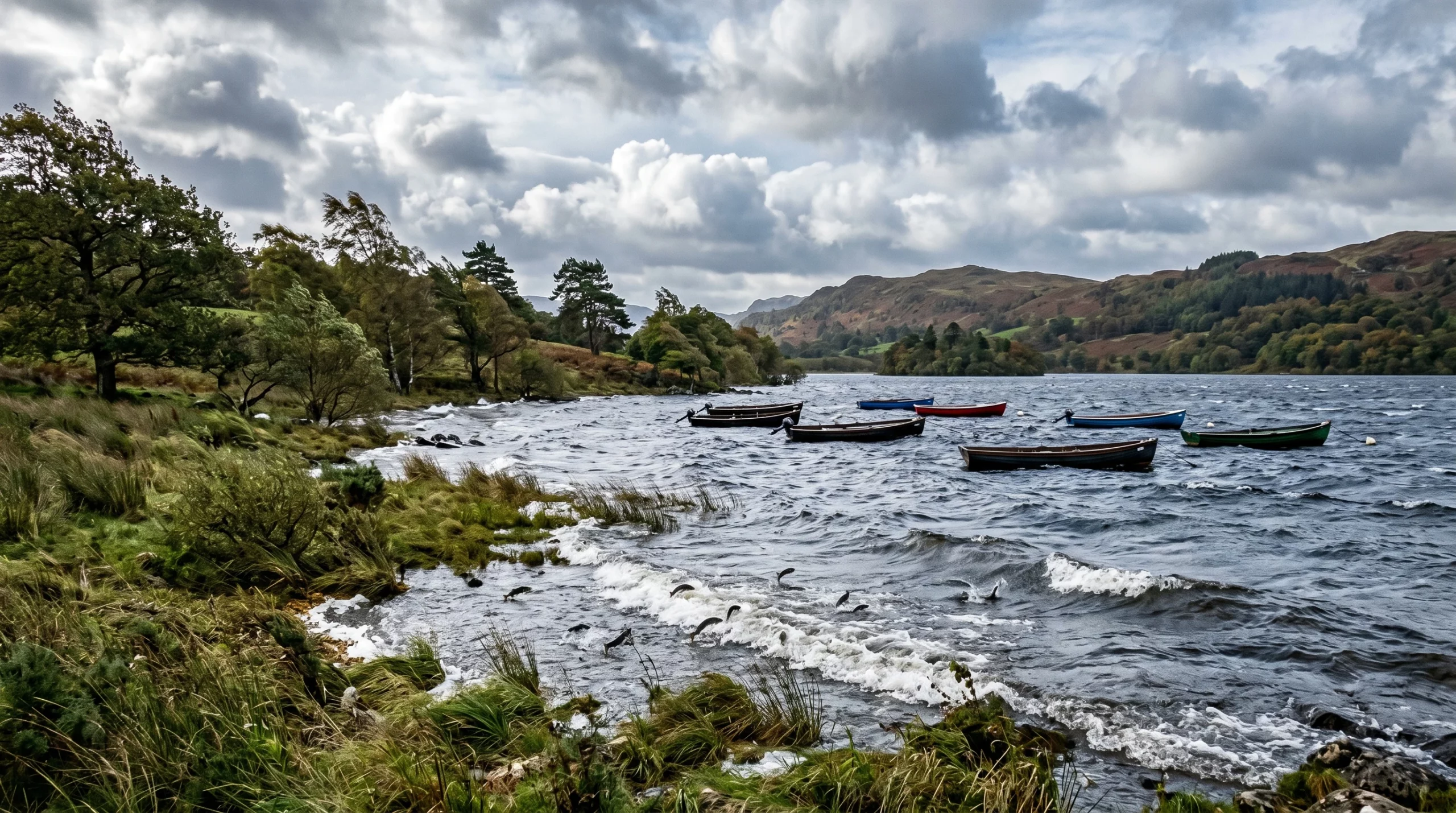
Wind is one of the most useful clues on a lake because it changes the surface, the shoreline, and the food chain. A breeze can move tiny organisms, insects, floating debris, and baitfish toward one bank. It can also add surface chop, reduce light penetration, and make fish less cautious in shallow water.
That does not mean windy conditions are always easy. Wind can push your cast off target, create slack in your line, make bobbers drift too fast, and turn a simple boat or kayak trip into a safety concern. For bank anglers, wind can make one side of the lake uncomfortable while making that same bank more productive.
This is why EveryLakeGuide teaches anglers to read the lake before choosing the lure. Wind is not just weather. It is a moving sign that tells you where the lake may be coming alive.
Wind Reading Reality Check: What Do You Notice First?
Before you start fishing on a windy day, ask yourself these five questions. They help you separate useful wind from random guessing.
- Which bank is the wind hitting directly?
- Where are foam, leaves, pollen, or surface debris collecting?
- Is the wind steady, gusty, or changing direction?
- Can you cast safely and accurately into that wind?
- Is the wind helping fish feed, or is it making the spot unsafe?
What this tells you: If you can answer those questions, you are already reading the lake better than many beginners. You are no longer just fishing the easiest bank. You are fishing the bank that gives you the best clues.
How Wind Benefits Fishing
Wind often improves fishing because it makes the lake less still, less clear, and less predictable. That sounds like a problem, but for feeding fish, it can be an invitation.
Wind Pushes Food
Wind moves the surface layer of the lake. That movement can push small food sources, insects, plankton, and drifting material toward shorelines, corners, and points.
Baitfish Follow
Where food collects, baitfish often follow. When baitfish gather along a wind-blown bank, bass, crappie, trout, white bass, and other predators may move closer to feed.
Surface Chop Helps Hide You
Rippled water breaks up light, movement, shadows, and line visibility. Fish may feel safer moving shallow when the surface is not glassy and calm.
Oxygen Can Improve
Wind-driven waves help mix the surface and can improve oxygen exchange. This can matter more during warm periods when calm, hot water may feel sluggish.
Ambush Spots Get Better
Wind pushing across a point, riprap bank, dock line, weed edge, or laydown can create a natural feeding lane. Fish often wait where food passes by.
Fish May Feed More Aggressively
Wind reduces caution. A bass that ignores a lure on a slick day may strike it when waves, noise, and bait movement make the same area feel safer.
The EveryLakeGuide Wind Rule
Fish the wind when it improves food movement, cover, and fish confidence. Avoid the wind when it creates unsafe conditions or makes presentation impossible.
That is the balance. Wind is not automatically good or bad. It becomes useful when it pushes fish toward reachable, fishable, safe water.
How Wind Creates Fishing Challenges
Wind gives anglers clues, but it also tests patience. The more open the lake, the more wind can affect casting, line control, comfort, boat positioning, and safety.
| Wind Challenge | What It Does | Simple Fix |
|---|---|---|
| Casting Trouble | Light lures get pushed off target, especially when casting across or into the wind. | Use heavier, more compact lures and cast lower to the water. |
| Line Slack | Wind bows your line, making it harder to feel bites or set the hook. | Keep your rod tip lower, reel up slack quickly, and use slightly heavier presentations. |
| Fast Bobber Drift | Wind pushes your float away from the strike zone too quickly. | Add a little weight, fish a calmer pocket, or cast upwind and let it drift naturally. |
| Boat Or Kayak Control | Wind pushes small craft off position and can make open water dangerous. | Stay closer to protected water, wear a life jacket, and avoid risky crossings. |
| Reduced Comfort | Wind makes warm days feel cooler and cold days feel much colder. | Bring layers, gloves when needed, and wind-blocking outerwear. |
| Dirty Water | Strong wind can muddy shallow banks, especially on soft-bottom shorelines. | Use brighter, louder, or slower presentations, or find the cleaner edge near stained water. |
Safety reminder: If the wind makes footing unsafe, waves dangerous, or boat control uncertain, choose a protected bank, a smaller lake, or another day. Catching fish is never worth ignoring hazardous conditions.
Wind Direction: Which Bank Should You Fish?
The most important wind question is not, “Is the wind east, west, north, or south?” The better question is, “What is the wind doing to this lake right now?”
A steady wind blowing into a shoreline can push food, warmer surface water, insects, and baitfish into that bank. That makes the windward bank a strong place to start, especially if it also has rock, weeds, wood, docks, a point, or a nearby drop-off.
However, old sayings about wind direction are less reliable than lake observation. Some lakes fish well on a west wind. Some fish better when a south wind warms a shallow pocket. A cold north wind after a front may slow shallow activity. The best answer comes from matching wind direction to structure, season, water temperature, and safety.
Wind Blowing Into A Bank
This is often the first place to check. Fish may move shallow because food and bait are being pushed toward them.
Wind Blowing Across A Point
This can create a feeding lane. Cast across the point, along the edge, or slightly upwind so your lure moves naturally.
Wind Blowing Into A Cove
Food can collect in the back or along one side of the cove. Check corners, shade, and any wood or weeds.
Wind Blowing Away From Your Bank
This may make casting easier, but it can pull surface food away. Look for deeper structure or a nearby corner where the wind still collects material.
For a deeper explanation, read How Wind Direction Predicts Where Fish Will Be On Any Lake.
Steady Wind Versus Gusty Wind
Not all wind behaves the same. A steady 8- to 12-mph breeze may help fishing by creating a predictable food path. A swirling, gusty wind can scatter bait, make casting miserable, and constantly change where your lure lands.
| Wind Type | Fish Behavior | Best Strategy |
|---|---|---|
| Light Ripple | Fish may stay shallow but still feed cautiously. | Use smaller lures, natural colors, worms, jigs, or subtle presentations near cover. |
| Steady Breeze | Bait may collect on wind-blown banks and points. | Start on the windward side and fish moving baits, spinners, grubs, crankbaits, or live bait. |
| Strong Wind | Fish may feed, but dirty water and rough conditions can limit access. | Use heavier lures, protected wind-blown pockets, and safer shorelines. |
| Gusty Wind | Bait and fish may scatter, especially on smaller lakes. | Fish heavier gear, shorten casts, and focus on visible structure. |
| Sudden Wind Shift | The bite may pause until water and bait settle into a new pattern. | Watch where surface debris moves next and adjust banks if needed. |
Best Lures And Baits For Windy Conditions
Wind changes lure choice because it changes casting, visibility, and feel. On calm days, you can often get away with light, subtle presentations. On windy days, you may need something easier to cast, easier to feel, and easier for fish to find.
Inline Spinners
Good for covering water from the bank. They cast well, flash in chop, and work for bass, trout, bluegill, and other active fish.
Spinnerbaits
Useful around wind-blown weeds, wood, and stained water. The vibration helps fish locate the lure when waves reduce visibility.
Crankbaits
Good around riprap, points, and wind-blown banks. Choose diving depth based on the water you can reach from shore.
Jigs And Grubs
A small jig or curly-tail grub cuts through wind better than many tiny lures. Let it sink, then retrieve slowly along edges.
Bobber And Worm
Still excellent for beginners, especially in light wind. Add enough split shot to control drift without making the presentation look stiff.
Catfish Baits
For catfish, use enough weight to keep bait near bottom. Wind-blown corners, deeper banks, and points can be strong evening options.
For more help choosing simple lures, read Best Lures For Bank Fishing.
Beginner Shortcut: Cast Low And Fish The Angle
On windy days, do not make high, looping casts unless the wind is behind you. Cast lower, use a smoother motion, and aim for angles that let the lure work with the wind instead of fighting it.
If you are bank fishing, cast slightly upwind and let your bait drift or swing into the strike zone. This often looks more natural than dragging a lure against the wind.
How Wind Changes Strategy By Season
Wind does not have the same effect all year. The same wind that helps in spring can feel harsh in winter or muddy a shallow summer bank too quickly. Match your strategy to the season.
| Season | What Wind Can Do | How To Adjust |
|---|---|---|
| Spring | Warm wind can push warmer surface water and food into shallow banks. | Try wind-blown pockets, shallow flats, and points near spawning areas. |
| Summer | Breeze can break up hot, still conditions and trigger feeding windows. | Fish mornings, evenings, shade lines, wind-blown banks, and deeper nearby edges. |
| Fall | Wind can help move baitfish and create aggressive feeding opportunities. | Cover water with moving lures and watch for bait activity near points and coves. |
| Winter | Wind can make fishing colder and more uncomfortable, especially from exposed banks. | Dress in layers, fish protected banks, and move slowly with smaller presentations. |
Season matters because fish are balancing food, comfort, oxygen, and safety. Wind can influence all four. That is why the best anglers do not simply say, “It is windy.” They ask, “What is this wind changing today?”
A Simple Wind Strategy For Bank Anglers
If you are fishing from shore, you do not have to solve the whole lake. You only need to compare the banks you can reach and choose the one with the best mix of wind, structure, safety, and access.
Start With The Windward Bank
Look for the bank the wind is hitting. If it has rock, weeds, wood, docks, a point, or a drop-off, it is worth checking first.
Look For Collected Clues
Foam, pollen, leaves, insects, and floating debris can show where surface movement is carrying food. Fish may not be far away.
Fish Three Angles
Cast parallel to the bank, diagonally across the wind, and slightly upwind. Let the lure move naturally through the best-looking water.
Adjust Weight Before Changing Everything
If you cannot feel the lure or keep bait in place, use a slightly heavier jig, spinner, sinker, or lure before abandoning the spot.
Move If The Wind Is Wrong For The Spot
If the bank is too muddy, unsafe, or impossible to fish, find a nearby corner, pocket, or protected edge that still receives some wind benefit.
When Wind Helps And When It Hurts
| Condition | Usually Helps When… | Usually Hurts When… |
|---|---|---|
| Light Wind | It adds ripple and makes shallow fish less spooky. | It keeps changing direction and makes small bait drift unnaturally. |
| Moderate Wind | It pushes food into a bank with structure and fishable access. | It makes casting inaccurate or creates too much line slack. |
| Strong Wind | It creates a short feeding window in a protected pocket or wind-blown corner. | It makes open water unsafe, muddies the bank, or prevents good presentation. |
| Cold Wind | It is mild enough to ripple the surface without dropping comfort too much. | It creates wind chill, cold hands, and unsafe exposure. |
| Hot Weather Wind | It breaks up still conditions and helps oxygen and surface movement. | It is part of an approaching storm or severe weather pattern. |
Wind Safety For Kentucky Anglers
Wind safety matters on every lake, especially for boaters, kayak anglers, and anyone fishing exposed banks. Check the forecast before you go, watch for changing skies, and leave early if wind begins creating unsafe waves or poor footing.
Kentucky Fish & Wildlife reminds boaters that each person onboard must have access to a properly fitting U.S. Coast Guard-approved life jacket, and children under 12 must wear one while in the open portion of a moving boat. You can review current state guidance on the Kentucky Boat Safety page.
For weather alerts, use the National Weather Service. If you see lake wind advisories, wind advisories, thunderstorm warnings, or hazardous marine conditions, take them seriously. For cold-weather fishing, remember that wind chill can make the air feel much colder than the thermometer suggests.
Want To Stop Guessing On Windy Days?
EveryLakeGuide lake plans are built around the way fish actually use water. That means wind zones, bank access, structure, seasonal movement, and simple 2-hour fishing plans. Instead of staring at a windy lake and wondering where to start, you can begin with a plan.
FAQs About Wind And Fishing
Is wind good or bad for fishing?
Wind can be both. It is good when it moves food, concentrates baitfish, adds surface cover, and makes fish more willing to feed. It becomes bad when it creates unsafe conditions, muddy water, poor casting, or too much line slack.
Which wind direction is best for fishing?
There is no single best wind direction for every lake. The better question is where the wind is pushing food and bait on the lake you are fishing. A wind-blown bank, point, cove, or corner with structure is often a smart place to start.
Should beginners fish into the wind?
Sometimes, yes. Fishing into the wind can be productive because that is often where food and baitfish collect. However, beginners should avoid unsafe banks and conditions where the wind makes casting or footing difficult.
What lures work best in windy conditions?
Compact lures that cast well and create vibration are often helpful. Inline spinners, spinnerbaits, crankbaits, jigs, grubs, and slightly heavier bobber rigs can all work, depending on the target fish and water conditions.
Does wind make fish move shallow?
It can. Wind can push food and bait toward shallow banks, especially if that shoreline has cover, rock, weeds, shade, or a nearby depth change. Fish may move shallow to feed when the surface chop makes them feel safer.
When is it too windy to fish?
It is too windy when you cannot cast safely, control your boat or kayak, stand securely on the bank, or leave quickly if conditions worsen. Safety should always decide the trip before fishing strategy does.
Helpful Weather And Safety Resources
Before fishing in windy conditions, check current weather, local advisories, and boating safety guidance.
Final Thought: Wind Is A Signal, Not Just A Problem
Wind can frustrate anglers. It can bend casts, tangle line, chill your hands, muddy a bank, and push a boat off position. But wind can also reveal where a lake is feeding. It can show you where food is moving, where baitfish are collecting, and where predators may be waiting.
The next time the forecast calls for a breeze, do not automatically cancel the trip. Read the shoreline. Watch the surface. Find the wind-blown structure. Then decide whether the wind is giving you an advantage or warning you to choose safer water.
That is the difference between fighting the wind and using it.
Last reviewed for fishing safety and weather-resource accuracy: May 2026. Always check current local weather, lake conditions, and official safety guidance before fishing in windy conditions.
Similar Posts
How To Read A Lake Map For Fishing More Productively
EveryLakeGuide Skill Builder A lake map turns a confusing body of water into a fishing plan. Instead of guessing where fish might be, you can read depth changes, points, channels, flats, and structure before you ever make a cast. That simple shift can save time, reduce frustration, and help you fish with more purpose. At…
7 Beginner Fishing Mistakes That Kill Your Chances of Catching Fish
EveryLakeGuide Beginner Series Most beginner anglers start by asking, “What lure should I throw?” A better question is, “Where is the water telling me to fish?” This fishing for beginners lake guide shows you how to read wind, structure, depth, access, and fish movement before you ever open your tackle box. Suggested SEO title: Fishing…
- Blogging | fishing tips | lake guides | Local Lake Insight | Quick‑Trip Fishing Tips | System Education
The Best Beginner Lake to Start Fishing
Some lakes reward experience. Robert J. Barth Lake rewards clarity. That’s what makes it such a strong starting point for beginners, families, and anyone tired of showing up to a lake without a real plan. At first glance, Barth feels simple. And in many ways, it is. But that simplicity is exactly why it matters….