
If fishing is your idea of relaxing, Kentucky offers plenty of places worth checking out. Whether you’re into bass, trout, catfish, or crappie, this state has something for every angler, from newbies to seasoned pros alike. I’m sharing my personal insights and tips on where to fish in Kentucky, including some hidden gems and well-known hot spots. You’ll find a mix of public lakes, creeks, rivers, and some practical advice for making your next fishing trip successful.
Kentucky’s Top Public Lakes for Fishing
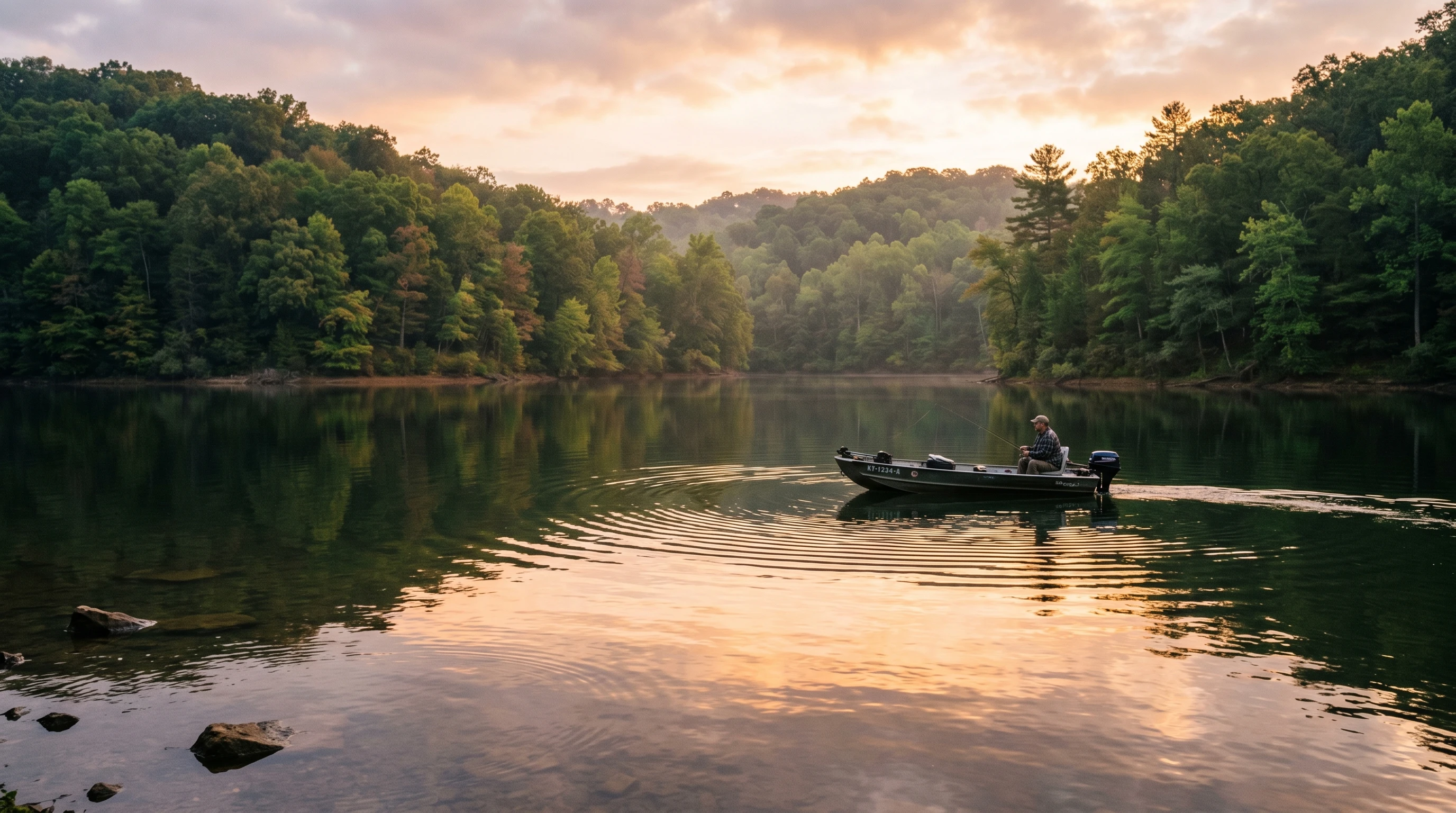
Kentucky’s landscape is dotted with big lakes famous for fishing. These spots are super popular with locals and visitors chasing prize catches. I’ve spent a lot of mornings on these waters, and each lake has its own perks. Here’s a snapshot of the best ones:
- Kentucky Lake: One of the largest manmade lakes in the country, this one is packed with bass, crappie, bluegill, and catfish. There’s tons of shoreline access, as well as public boat ramps. The spring crappie run here is something a lot of folks look forward to every year.
- Lake Barkley: Right next to Kentucky Lake, Lake Barkley is loaded with largemouth bass and catfish. I love fishing near the wooded coves, especially in early summer.
- Lake Cumberland: Big water means big fish. Striped bass anglers usually end up here. There’s also walleye, trout, and plenty of panfish. I recommend fishing below Wolf Creek Dam if you’re after trophy trout.
- Herrington Lake: This deep, clear reservoir is a great spot for catching largemouth and smallmouth bass. Night fishing for catfish here is super popular in warmer months.
- Green River Lake: This one is loaded with muskie, which isn’t as easy to find elsewhere in the state. Bass and crappie fishing is also solid.
Most public lakes are well-equipped for anyone fishing from the bank or from a boat. You’ll usually find boat ramps, docks, and bait shops nearby. Many also rent boats and provide fishing guides if you want extra help. Plus, lakeside cabins or lodges make for a cozy overnight stay, letting you head out at sunrise.
Rivers and Streams Worth Exploring
While big lakes get a lot of attention, Kentucky’s rivers and streams shouldn’t be overlooked. Stream fishing can be less crowded, and sometimes you’ll reel in more fish simply because you’re hitting lesser-known waters. Here are some river spots I enjoy:
- Cumberland River: Especially below Wolf Creek Dam, this tailwater is famous for trophy trout. People travel from all over to fish here. Rainbows and browns are regularly stocked by the Kentucky Department of Fish and Wildlife Resources (KDFWR). The area is also beautiful, with misty mornings making it one of my favorite spots for fly fishing.
- Elkhorn Creek: If you love smallmouth bass, don’t skip this stream in central Kentucky. The water is usually crystal clear, and there’s plenty of access for wading or kayak fishing. I’ve always found that morning or late afternoon is the best time to catch fish here, especially during summer insect hatches.
- Green River: Float trips along this river are a blast, and you’re likely to catch different species depending on the stretch. Smallmouth, spotted bass, and catfish are common.
- Rockcastle River: This river feels wild and remote. It’s loaded with rock bass, smallmouth, and spotted bass. Fishing from a kayak or canoe is the way to go, since the banks are often rocky and wooded. Don’t be surprised to spot wildlife like otters or even bald eagles on quiet mornings here.
- Red River: Nestled in the Red River Gorge, this scenic river is a relaxing place to cast. The water isn’t very wide, so it’s easy to wade fish. Locals know this as a chill spot for trout and small bass.
Most streams and creeks in Kentucky have public access points, but always double-check before you go. Private land access should always be respected. Many great fishing spots in Kentucky exist because landowners are willing to share with respectful guests. Carry out any trash and thank them if you cross paths!
Best Spots for Trophy Fish in Kentucky
If you’re after a personal best, Kentucky won’t let you down. Large reservoirs and specialty fisheries across the state offer excellent opportunities to catch big fish. Here’s where I’ve had good luck (or watched others land some monsters!):
- Kentucky Lake and Lake Barkley: These two are bass central, especially for largemouths in spring and fall.
- Lake Cumberland: The striped bass here get huge. I’ve seen plenty of 40-pounders come out of the deeper channels. Book a guide out of Jamestown or Burnside if you want to chase a striper trophy.
- Dale Hollow Lake: Right on the Kentucky-Tennessee border, Dale Hollow is famous for smallmouth bass. The clear water and rocky structure offer the perfect habitat for big bronzebacks, and the scenery adds to the thrill.
- Cumberland River Tailwaters: Below Wolf Creek Dam, brown trout grow to impressive sizes. I’ve watched fly anglers here land trout inches over 20 with regularity.
- Kincaid Lake and Cedar Creek Lake: Both are designated trophy bass lakes, with size and creel limits that help the bigger fish thrive. Spring is the time to target these bass when they’re close to shore and actively feeding.
Trophy fishing usually involves tactics that differ from the norm, so bring stout tackle and expect to be patient. Fish often bite early in the morning or near dusk, so these are good times to be on the water. Set up with strong line, keep your net handy, and have a camera ready to capture the moment when you land that beast you’ve been chasing.
Family-friendly Fishing Spots
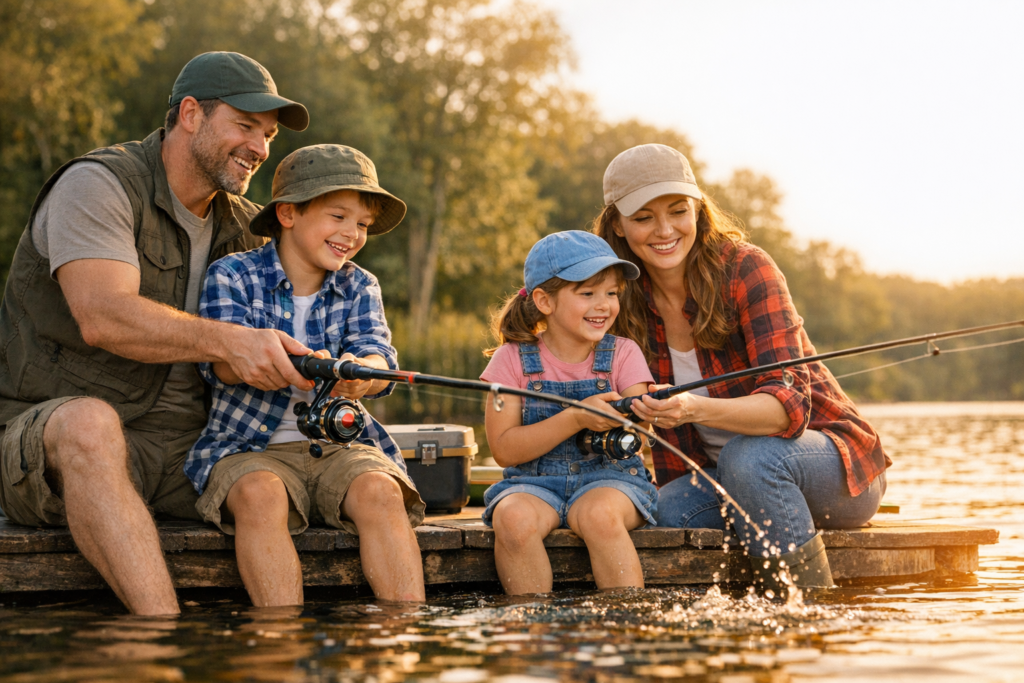
If you’re bringing kids or want a low-key outing, Kentucky stocks a bunch of lakes and ponds with catchable-size fish. You don’t always need a boat; lots of these spots are set up for bank fishing. Here’s a quick list of family-friendly options I recommend:
- Jacobson Park Lake (Lexington): This small city lake is loaded with bluegill, catfish, and stocked trout in spring. There’s a playground nearby and plenty of shaded spots for a picnic.
- Lake Reba (Richmond): Easy access and a nice walking trail make this a great spot for first-time anglers. Catfish and panfish are the main draw.
- Bernheim Arboretum Forest Ponds (Clermont): If you like nature walks followed by some simple bank fishing, these small ponds offer the perfect combo. Birdwatchers and photography lovers will also dig the scenery.
- Shanty Hollow Lake (Bowling Green): Small and less crowded, Shanty Hollow is a quiet spot for fishing and a lazy afternoon paddle by kayak or canoe.
- Community Fishing Lakes: Across Kentucky, the FINS (Fishing in Neighborhoods) program stocks more than 40 small lakes and ponds. These spots are usually safe, clean, and managed for easy access. You can find a full list on the KDFWR website.
Families new to fishing should check for accessible fishing piers, playgrounds, or rental gear options before heading out. These conveniences make it easy to keep everyone happy, even if the fish aren’t biting right away. Bringing snacks, sunscreen, and bug spray will also help your family outing go smoothly.
What You Need to Know About Kentucky Fishing Licenses and Rules
Most of Kentucky’s public waters require a valid state fishing license. For anyone 16 or older, you’ll need to buy one in advance, which you can do online at the Kentucky Department of Fish and Wildlife Resources website or at bait shops across the state. Special permits might be needed to fish for trout or to access certain lakes or wildlife management areas.
There are a few free fishing days each year when no license is needed; usually in June. These are a good chance to try things out or introduce someone new to fishing without breaking the bank.
- Pay attention to creel limits (how many fish you can keep) and size requirements. They’re in place to make sure there’s good fishing for everyone, year after year.
- No live bait in trophy trout streams. Artificial lures only.
- Don’t forget to check season dates for certain fish species, especially if you’re after trout or paddlefish.
Following current regulations helps keep Kentucky’s fisheries healthy. If you’re not sure about a rule, the KDFWR website has loads of info, or local bait shop owners are usually in the loop. Ask around, and you’ll quickly get up to speed. It’s the little things, like knowing the local slot limits, that help everyone, & the fish included!
Favorite Fishing Techniques for Kentucky Waters
Knowing a few tried-and-true methods can make your trip a lot more productive. From my experience, here are the most common techniques that work well in Kentucky:
- Bass Fishing: Crankbaits and spinnerbaits are super effective in most lakes. In clear water, I like soft plastic worms rigged Texas style. Early-morning or late-evening topwater action is especially fun in summer. On calm days, try walking a frog lure across lily pads for explosive strikes.
- Crappie Fishing: Try trolling small jigs or live minnows around brush piles, submerged trees, or docks. Spring and fall are the top seasons, especially during spawning periods. Sometimes a slipbobber rig tipped with a minnow can outfish all other presentations.
- Catfishing: Cut bait or chicken livers work well. Set up in deeper holes in rivers after sunset or drift fish in slow-moving creeks and lakes. Heavy tackle helps land the bigger guys. When bank fishing, throw out a couple of rods at different depths till you find the sweet spot.
- Trout and Panfish: For streams and smaller lakes, ultralight spinning setups or a simple fly rod get the job done. Use small spinners, floats with live worms, or nymph patterns in the moving water. When panfishing, small jigs or crickets under a bobber keep things fun for all ages.
Matching your gear to the water and target species makes a big difference. Check current fishing reports for details on what’s working. The Kentucky Afield Fishing Report updates weekly and gives some handy real-time tips. Don’t hesitate to ask at the local tackle shop, either.
Weather, Seasons, and When to Go Fishing in Kentucky
Timing your trip can really boost your odds. Kentucky has four distinct seasons, and fish behavior changes with the weather. Here’s what I’ve learned through both hits and misses:
- Spring: Spawning season for most fish. Bass and crappie move shallow, making them easier to catch from the bank. Some of my best days have been in late March through early May.
- Summer: Fish head deeper as the water warms up. Early mornings and late afternoons are when they’re most active. If you can, fish at dawn to beat the heat and the crowds.
- Fall: Fish start feeding heavily again as the water cools. It’s a great time for bass and crappie. The lakes look beautiful in the fall, adding to the experience. Surface baits can work again, and visiting in September or October pairs good fishing with top-notch scenery.
- Winter: Fishing slows, but trout remain active thanks to cold water. Some tailwaters stay productive, especially for patient anglers using live bait or slow-moving jigs. Layer up, bring warm drinks, and enjoy some solitude on the water.
Always keep an eye on weather reports. Sudden rain can muddy up streams, and a cold front might slow the bite, but a little flexibility can turn a slow day into a great one. I keep a weather app handy just in case and pack a change of clothes for wet weather.
Challenges and Tips for a Successful Kentucky Fishing Trip
Every place comes with its quirks. Here’s some practical insight on challenges I’ve run into, with tips for avoiding common headaches:
- Access: Some lakes and streams have limited public parking or boat ramps. Arrive early if you want a good spot, especially on weekends or holidays. Having a backup location in mind helps if the main lot fills up fast.
- Changing Water Levels: Heavy rain and dam operations can really change conditions fast. Check US Army Corps of Engineers water levels online before heading out so you don’t get caught by surprise.
- Weather: Afternoon storms pop up in summer, and winter can be chilly. Dress for the weather, bring a rain jacket, and keep an eye on the forecast for safety.
- Lures and Bait: Fish can be picky. I always bring a few options; if one isn’t working, switch it up. Don’t overlook swapping colors or bait type even if you’re in a familiar spot.
- Finding the Fish: When in doubt, look for structure. Downed trees, rocky banks, and drop-offs are prime locations. Fish hang out where they feel safe and can ambush prey. Don’t be afraid to move around to several spots rather than camping at one hole all day.
Preparation goes a long way, and a successful trip isn’t all about filling a cooler. Sometimes, it’s the scenery, a quiet morning, or the challenge of figuring things out that makes the whole outing memorable.
Frequently Asked Questions about Fishing in Kentucky
Here are some questions I’ve heard a lot from folks planning their first fishing trip in Kentucky:
Question: Do I need a license to fish on private ponds?
Answer: You usually don’t need a license for private ponds unless you’re keeping trout, which requires a statewide trout permit. Always check with the landowner before fishing.
Question: Can I camp at major fishing lakes?
Answer: Most state parks and recreation areas around public lakes offer campgrounds. Kentucky Lake, Lake Cumberland, and Green River Lake have some great spots right by the water, perfect for early morning fishing sessions.
Question: Where can I find real-time fishing reports?
Answer: The Kentucky Afield Weekly Fishing Report is updated every Thursday and covers the most popular waters. Local tackle shops often have up-to-date info on what’s biting, too.
Question: What’s the best time of year to fish in Kentucky?
Answer: Spring and fall are best for most species, but many lakes and rivers fish well year-round. For trout and catfish, even winter can be good. If you’re flexible, ask around at local bait shops for suggestions on seasonal hot bites.
Final Thoughts
Kentucky offers a variety of fishing experiences, from big reservoirs packed with trophy fish to quiet streams where you can wade and take things slow. Whether you prefer casting from a boat or the shoreline, there’s a spot for you. Local knowledge, weather awareness, and a bit of curiosity help make any trip something special. Learn from every outing, and you’ll keep adding to your fishing stories for years to come.
Start with the Lake, Not the Lure