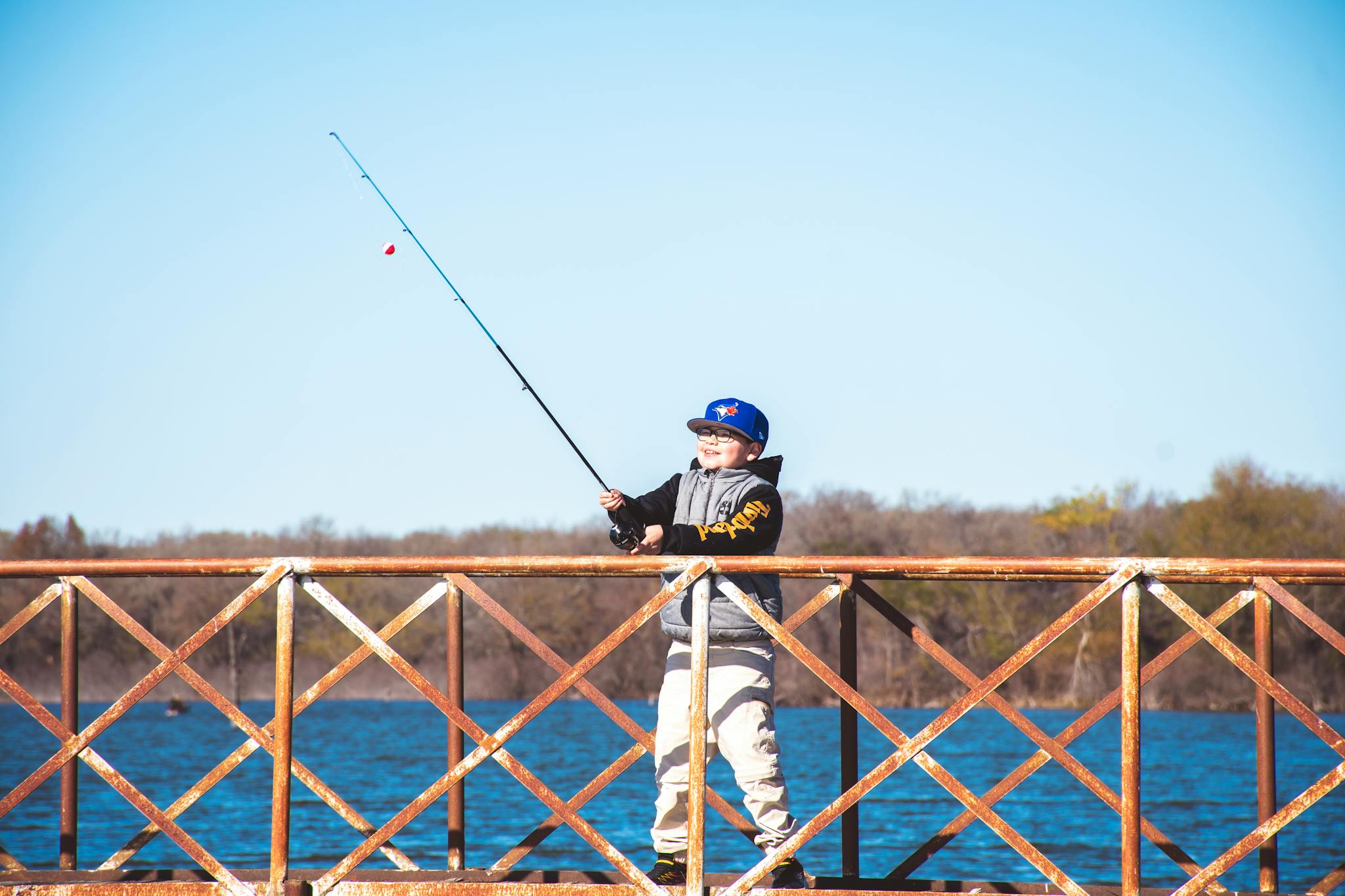
Why May Is Kentucky’s Best Month to Catch Bass, Bluegill, and Catfish From the Bank
EveryLakeGuide Seasonal Guide • Kentucky Bank Fishing
May is when many Kentucky lakes finally feel alive from the shoreline. Bass are often shallow or near shallow cover. Bluegill and redear move into late-spring patterns. Catfish become more active as the water warms. For bank anglers, this is one of the best windows of the year to start with the lake and make a smart first cast.
Quick answer: May is one of Kentucky’s best all-around bank-fishing months because bass, bluegill, redear, and catfish are often using shoreline zones that anglers can actually reach. The fishing still changes with weather, water clarity, pressure, and lake type, but May gives beginners and bank anglers more visible clues than many other times of year.
May is not magic. It is a pattern window. More fish are close enough for bank anglers to reach, but you still need to read wind, shade, cover, water temperature, and signs of life.
Why May Feels Different On Kentucky Lakes
May feels different because the lake starts giving bank anglers more information. The water is warmer. Shallow areas hold more life. Bluegill and redear may use bedding zones. Bass often relate to shallow cover, points, shade, and bluegill activity. Catfish become a stronger target as late spring pushes toward early summer.
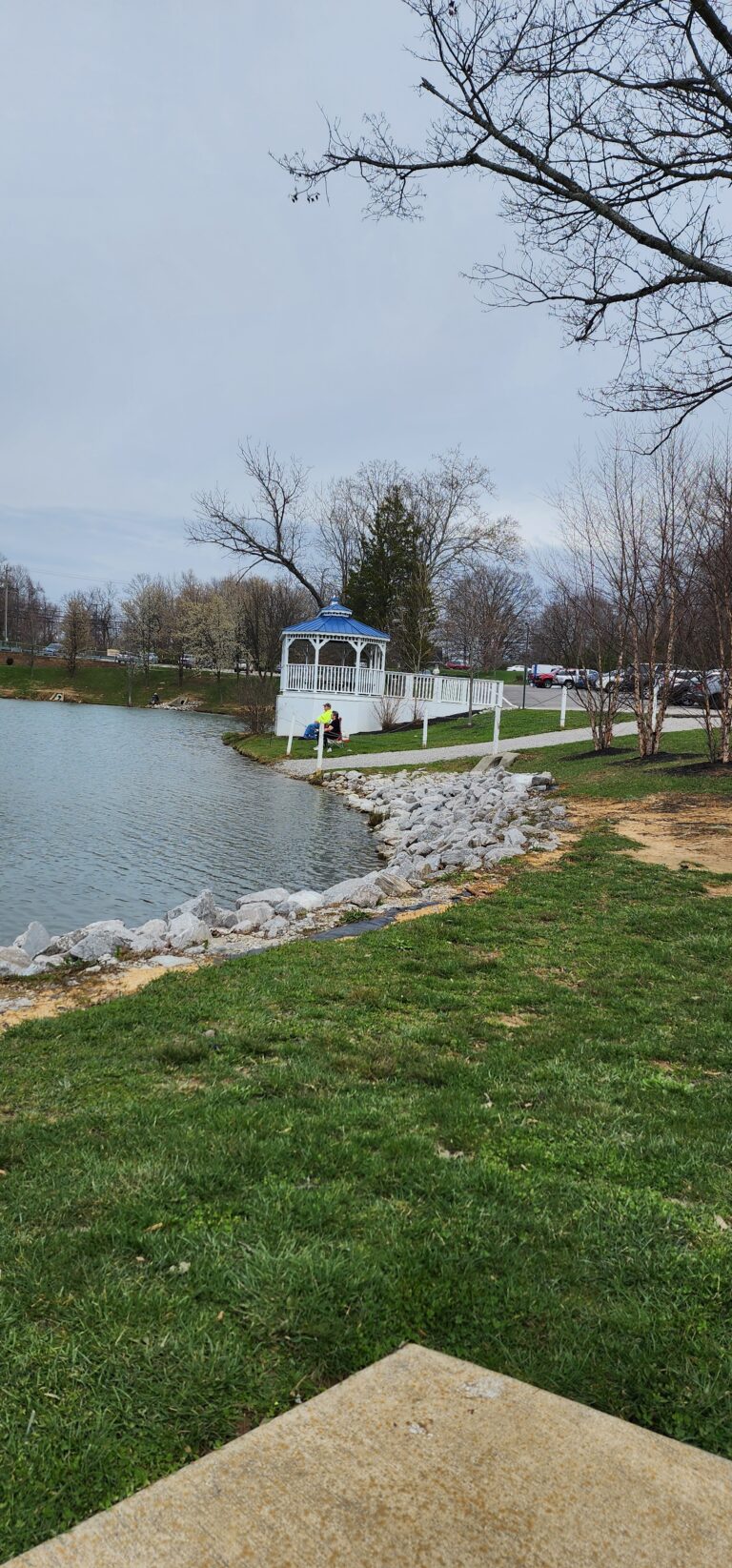
That matters because a bank angler cannot chase fish across the whole lake like a boat angler can. You need fish to come within casting range. May often makes that possible. Instead of staring at a large lake and wondering where to cast, you can begin reading the shoreline for clues.
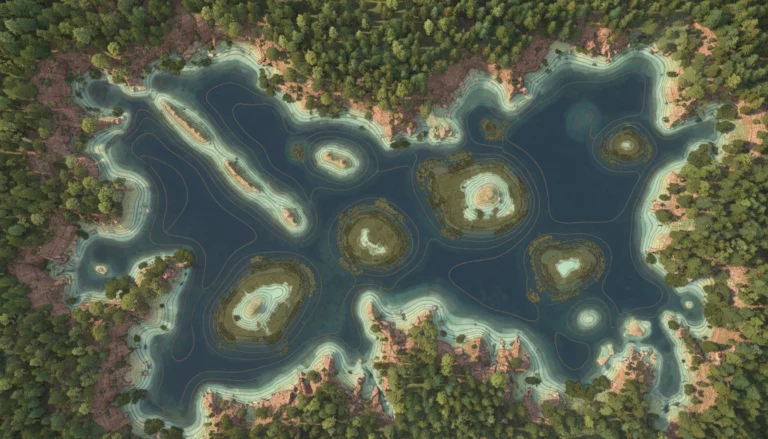
The EveryLakeGuide method fits May perfectly: start with the water, not the lure. Once you know where fish have a reason to be, the bait choice becomes much easier.
May Lake-Reading Check: Can You Answer These 5 Questions?
Before you pick a lure, take a slow look at the water. These five questions help separate real clues from wishful thinking.
- Which shoreline has the wind been pushing into today?
- Where is the warmest, shallowest, safest water you can reach from the bank?
- Do you see signs of bluegill or redear activity, such as small fish, surface dimples, or shallow circular beds?
- Is there nearby cover, such as weeds, wood, rock, shade, docks, or a steeper bank?
- If you only had 45 minutes, which single stretch of bank would give you the best chance, and why?
What this tells you: If you can answer these questions, you are not just “going fishing.” You are reading the lake before you cast.
The May Species Breakdown For Kentucky Bank Anglers
May can be strong for several species, but each one uses the lake differently. The key is knowing what the fish is likely trying to do before you choose where to stand.
| Species | Why May Can Be Strong | Where Bank Anglers Should Start | Simple Approach |
|---|---|---|---|
| Largemouth Bass | Spring warming pulls many bass shallow or near shallow areas. Depending on the lake and weather, some may be pre-spawn, spawning, guarding, or post-spawn. | Wind-blown banks, shallow cover, points near spawning flats, shade, laydowns, dock edges, and areas near bluegill activity. | Use a spinnerbait, small swimbait, weightless soft plastic, shallow crankbait, or small jig. Focus on target casts instead of random casting. |
| Bluegill | Late spring is a prime bluegill window because many fish move shallow and become easier to locate. | Backs of coves, protected pockets, shallow flats, weed edges, and visible bedding areas where legal and accessible. | Use a redworm, wax worm, cricket, or small jig under a bobber. Keep the bait near the strike zone and move if nothing happens. |
| Redear / Shellcracker | Redear often become a strong late-spring target and may be near bluegill areas, but they frequently feed closer to the bottom. | Slightly deeper water near bluegill beds, firm-bottom pockets, quiet banks, and areas with shallow-to-deeper transitions. | Fish a small piece of worm closer to bottom. If you find bluegill, try a little deeper nearby for redear. |
| Channel Catfish | Late spring into early summer becomes a strong catfish window as water warms and feeding activity increases. | Rocky banks, clay banks, wood, undercut areas, wind-blown corners, points, and low-light shoreline zones. | Use nightcrawlers, chicken liver, shrimp, stink bait, or another legal bait on a simple bottom rig. |
The EveryLakeGuide May Rule
In May, fish where shallow water, food, cover, and comfort overlap.
A random shallow bank is not enough. A shallow bank with wind, shade, weeds, wood, bluegill activity, or a nearby drop-off is much more interesting. May rewards anglers who can tell the difference.
Bass In May: Do Not Just Fish The Pretty Bank
Bass are often the first fish people ask about in May. The good news is that many bass are close enough to shoreline cover for bank anglers to reach. The tricky part is that not every pretty bank holds active fish.
The better question is not, “Where would I like to cast?” The better question is, “Where would a bass have a reason to be shallow?” In May, that reason may be spawning activity, bluegill movement, shade, warmer water, feeding cover, or a travel route from shallow water to slightly deeper water.
Start Near Options
Good May bass banks often offer more than one thing: shallow water, nearby depth, shade, cover, food, or wind. One clue is good. Three clues are better.
Watch Bluegill Areas
As bluegill become more active in shallow zones, bass may not be far away. Do not fish directly on top of visible beds. Work edges, shade, and nearby ambush cover.
Use Target Casts
Cast beside wood, along shade lines, near grass edges, across points, and beside docks. May bass fishing from the bank is often about hitting the best targets cleanly.
Adjust After Fronts
If a cold front or heavy rain changes the lake, bass may pull back or get less aggressive. Slow down, fish cover carefully, and look for slightly deeper nearby water.
Bluegill In May: The Confidence Builder
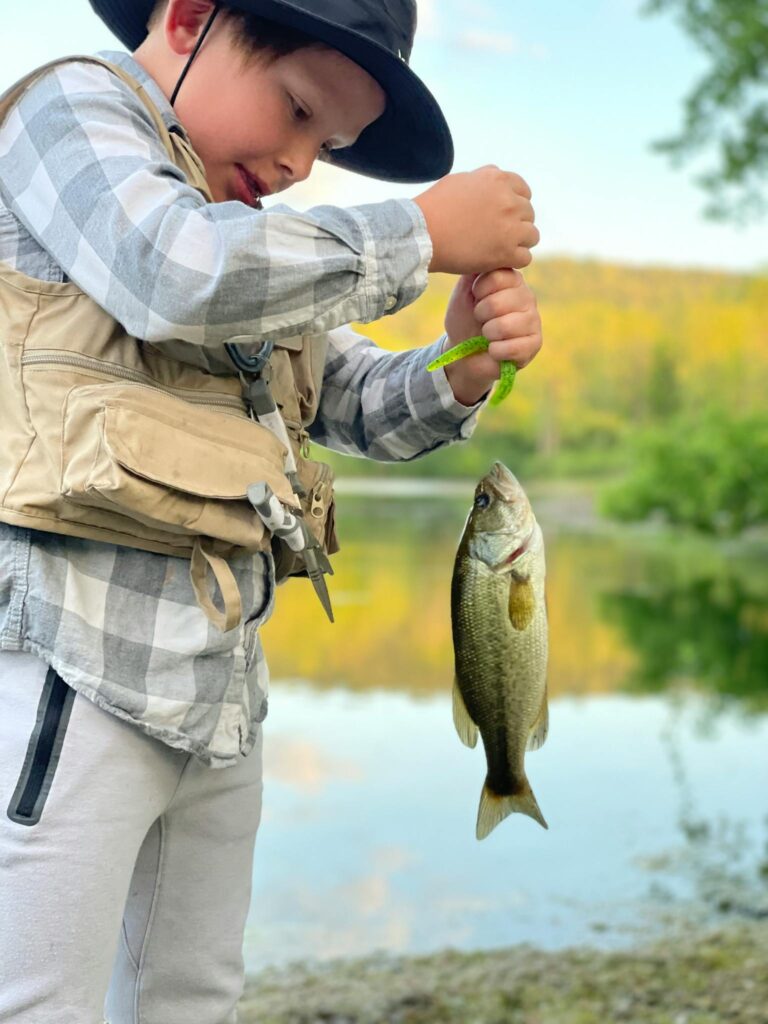
If you are taking a beginner, a child, or someone who has struggled to catch fish, May bluegill fishing is hard to beat. Bluegill are often easier to find than bass, they bite simple bait, and they give quick feedback. That makes them perfect for learning how a lake works.
Still, bluegill are not completely random. In May, they often relate to bedding areas, coves, warmer pockets, and shallow cover. You may see small fish activity, dimples on the surface, or circular beds in clear enough water. Even when you cannot see beds, you can still use the lake’s shape to find likely zones.
If The Bobber Does Not Move In 10 Minutes, Move Your Feet
Do not stand in one poor spot for an hour. In May, active bluegill are often findable. Move down the bank, change depth, or try the next protected pocket.
For beginners, a small hook, a light split shot, a bobber, and a piece of redworm can teach more than a box full of lures. The goal is to find active water first, then keep the bait where the fish are feeding.
Redear In May: The Fish Many Beginners Accidentally Miss
Redear sunfish, often called shellcrackers, are one of the best late-spring surprises in Kentucky. They are usually not as obvious as bluegill. They can be near the same general areas, but they often hold a little deeper and feed closer to the bottom.
That is why many bank anglers miss them. They fish a bobber too shallow, catch a few bluegill, and assume that is all the area offers. A better approach is to use bluegill as a clue. If you find bluegill activity in May, try fishing slightly deeper and closer to the bottom nearby.
A small piece of nightcrawler on a light hook can be enough. You do not need a complicated lure. You need patience, bottom contact, and a good reason to believe redear are using that part of the lake.
Catfish In May: The Bite Starts Building
Catfish often become a better target as late spring pushes toward summer. Warm water increases activity, and channel catfish become more dependable around low-light periods, shoreline feeding zones, rocky banks, shallow clay areas, wood, and points.
For beginners, channel catfish are practical because the setup can stay simple. A basic bottom rig, legal bait, and patience can work well. You do not need to cast across the lake. In many smaller Kentucky lakes and FINs waters, catfish may use areas that are reachable from shore.
Fish Low Light When You Can
Early morning, evening, and night can be stronger catfish windows, especially as the water keeps warming.
Choose The Bank Carefully
Look for rock, wood, wind-blown corners, clay banks, points, and deeper water close enough to cast to.
Best Places To Start Looking In May
Protected Coves And Pockets
These areas can warm faster, collect life, and hold bluegill, redear, small bass, and baitfish. Start here when looking for panfish or when wind is manageable.
Wind-Blown Points
Wind can push food and surface movement across a point. Bass may use these areas to feed, especially when the point connects shallow water to deeper water.
Shade Lines And Wood
Shade, laydowns, branches, and shoreline wood can hold bass and bluegill. Fish these carefully with accurate casts instead of rushing through them.
Rocky Or Clay Banks
These can matter for catfish and bass, especially when they connect to shallow feeding areas, low-light movement routes, or nearby depth changes.
May Is Not Magic. It Is A Pattern Window.
The reason May is so valuable is not that fish suddenly become easy every day. It is that more fish are using zones bank anglers can understand and reach. That gives you a better chance to make a plan instead of just hoping.
- If the water is warming, check shallow coves and protected banks.
- If wind is steady, check the bank where food may be pushed.
- If bluegill are bedding, look for bass nearby without disturbing the beds.
- If evening is approaching, consider catfish along reachable shoreline structure.
- If a spot looks good but gives no signs of life, move with a reason.
A Simple 2-Hour May Fishing Plan
If you only have a short trip, do not waste the first half-hour changing lures in the same dead spot. Use a simple plan that helps you read, fish, and adjust without rushing.
First 20 Minutes: Read Before Casting
Walk the bank. Look for wind, shade, cover, shallow pockets, visible beds, baitfish, insects, and safe access. Pick the best-looking stretch before opening the tackle box.
Next 50 Minutes: Fish One High-Percentage Zone
Work the area with purpose. Try a simple bluegill setup, a small bass lure, or a bottom rig for catfish depending on what the lake is showing you.
Final 50 Minutes: Adjust Once, Not Constantly
If the first zone is dead, move to the next best bank with a different condition: more wind, more shade, deeper water, better cover, or clearer signs of fish.
For a deeper version of this approach, read How To Catch Fish When You Only Have 2 Hours.
What Most Anglers Get Wrong In May
The biggest mistake is assuming that a good month means every cast should be easy. May gives you more opportunity, but it still rewards observation. If a cold front rolls through, fish may pull back. If the water gets muddy, sight-based clues may disappear. If the lake is crowded, fish may react to pressure. If the sun gets high, shade and depth may matter more.
Another mistake is fishing memories instead of conditions. A spot that worked last weekend may not work today if the wind changed, the water dropped, the beds emptied, or the fish slid deeper.
That is why the EveryLakeGuide method matters. A good plan should not only tell you what lure to throw. It should help you understand why a fish would use a certain bank in the first place.
Helpful EveryLakeGuide Reading Before Your Next May Trip
These internal resources support the same lake-first method used in this post.
How To Catch Fish When You Only Have 2 Hours
Use this when your fishing window is short and you need a simple plan.
How Wind Direction Predicts Where Fish Will Be
Learn how wind can help you choose better starting banks.
Lake Bank Fishing Tips For Beginners In Kentucky
Build a stronger bank-fishing foundation before your next local trip.
Official Kentucky Fishing Links Worth Checking
Before keeping fish or fishing a new lake, always check current rules, license requirements, stocking updates, and local access details. These official Kentucky Fish & Wildlife pages are useful starting points.
FAQs About Fishing Kentucky Lakes In May
Is May really the best month to fish in Kentucky?
May is one of the best all-around months, especially for bank anglers. Bass, bluegill, redear, and catfish can all be active or reachable during this window. It may not be the best single month for every species on every lake, but it is one of the strongest months for simple, accessible fishing.
What is the easiest fish to catch from the bank in May?
Bluegill are often the easiest confidence fish in May because they move shallow, respond to simple bait, and can be found around coves, bedding areas, weeds, and protected shoreline zones.
Are bass shallow in Kentucky during May?
Many bass are shallow or close to shallow areas in May, but exact position depends on water temperature, spawning stage, water clarity, fishing pressure, and weather changes. Look for shallow cover, points, shade, and areas near bluegill activity.
When does catfish action improve in Kentucky?
Catfish action often improves in late spring as water warms. Evening, early morning, and nighttime can be useful windows, particularly around shoreline structure, rocky banks, shallow clay areas, and points.
Do I need a lot of tackle to catch fish in May?
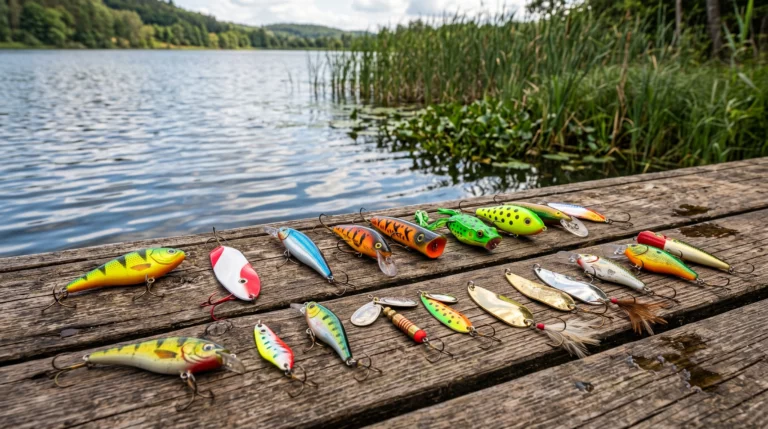
No. A simple setup can work well. For bluegill, try worms or small jigs under a bobber. For bass, use a small swimbait, spinnerbait, or soft plastic. For catfish, use a legal bait on a simple bottom rig. Location matters more than owning every lure.
Should I fish the same spot all month?
No. May changes quickly. A bank that worked last week may change after rain, pressure, a cold front, a water-level shift, or a bedding cycle. Use each trip’s current clues instead of relying only on memory.
Final Thought: May Gives Bank Anglers A Real Chance
May is special because it brings more fish into zones that bank anglers can understand and reach. Bass use shallow cover and nearby options. Bluegill and redear reveal clues in protected water. Catfish become more active as late spring warms the lake.
Still, the best May anglers do not just show up and throw a lure. They read the shoreline first. They look for wind, shade, cover, warmer water, bluegill activity, and low-light movement. Then they choose a simple bait that fits the situation.
That is why May can feel like Kentucky’s best bank-fishing month. The lake gives you more clues. Your job is to notice them.
Choose Your Next Step
If you are planning a May fishing trip, start with the lake. Pick a guide, choose a bank-friendly plan, and stay connected for future EveryLakeGuide updates.
Find The Right Lake Guide
Use the guide-selection page to choose the lake or fishing situation that fits your next trip. This keeps the path simple and helps you move from reading to planning.
Get New Lake Guide Updates
Want new lake guides, beginner tips, and field-ready fishing resources as they are released? Use the compact update form below.
Before keeping fish, always confirm current regulations, license requirements, trout permit rules, posted lake signs, and official Kentucky Fish & Wildlife updates. EveryLakeGuide is designed to help you plan smarter trips, not replace official regulations.