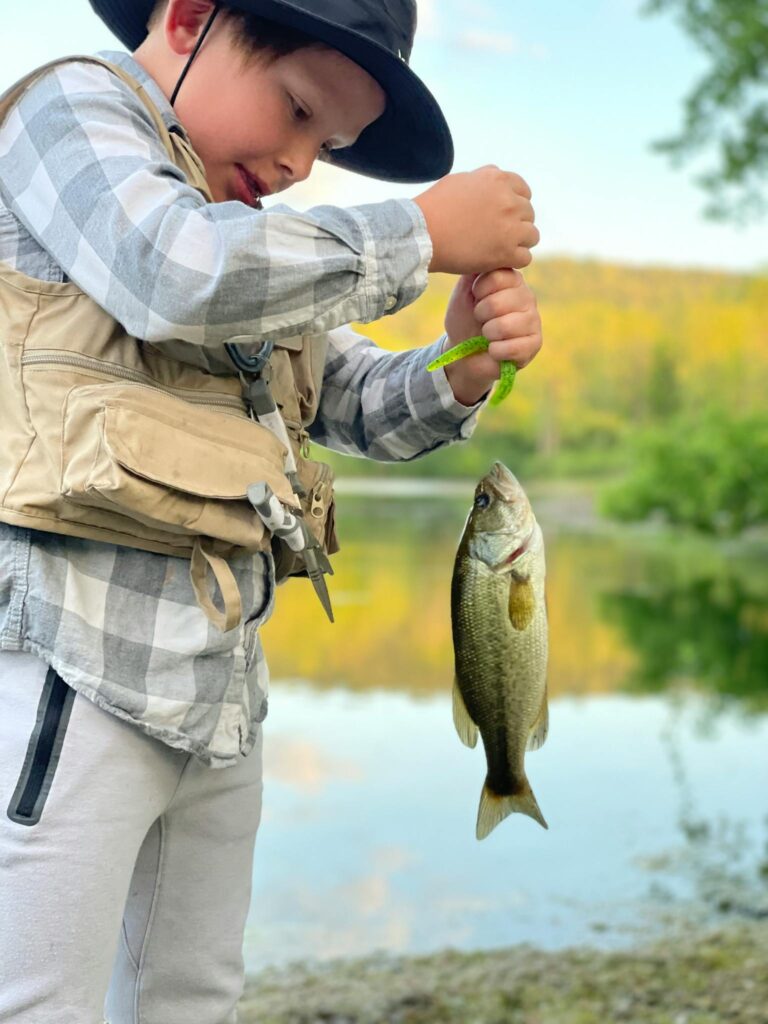
The First 10 Minutes at Any Lake: What Smart Bank Anglers Look For Before Casting
EveryLakeGuide Beginner Strategy • Bank Fishing
The first 10 minutes at a lake may be more important than the first 10 casts. Smart bank anglers do not rush to throw a lure. They pause, read the water, study the shoreline, and choose a starting spot with a reason.
In the first 10 minutes at any lake, bank anglers should look for wind direction, shade, structure, depth changes, signs of life, water clarity, safe access, and fishing pressure. These clues help you decide where fish are most likely to be before you waste time casting in empty water.
Do not let excitement steal your best clue-gathering window. The lake gives you information before you cast. The first 10 minutes are when you collect it.
Why The First 10 Minutes Matter So Much
Most beginner anglers arrive at a lake and immediately start fishing. That is understandable. You drove there, packed your gear, and want to feel a tug on the line. But if you rush those first few minutes, you may miss the clues that could shape the entire trip.
A lake is not one big equal bowl of water. Some areas hold food. Some offer shade. Some have better oxygen, safer cover, warmer water, or easier travel routes. Other areas may look fine from shore but have very little going on below the surface.
The first 10 minutes help you separate those areas. Instead of asking, “What lure should I throw?” you start asking, “Where would a fish have a reason to be?” That is the EveryLakeGuide method in action.
First-10-Minutes Reality Check
Before you make your first cast, ask yourself these five questions. They reveal whether you are reading the lake or simply hoping the fish are nearby.
- Which bank is the wind touching, pushing into, or protecting?
- Where do you see shade, wood, weeds, rocks, docks, points, or other structure?
- Can you find shallow water close to deeper water?
- Do you see signs of life, such as minnows, insects, birds, ripples, bubbles, or small surface movement?
- Is the spot safe, fishable, and less crowded than the most obvious access point?
What this tells you: If you can answer these questions, your first cast already has a purpose. If you cannot answer them yet, keep looking for another minute or two.
The EveryLakeGuide First-Cast Rule
Your first cast should test your best clue, not your favorite lure.
If the wind is pushing into a rocky point, test that. If bluegill are dimpling the surface near a shaded pocket, test that. If a dock creates a dark edge beside deeper water, test that. The lure comes after the reason.
Minute 1: Stop Short Of The Water
The first smart move is simple: do not walk straight to the edge. Fish often use the first few feet of water near the shoreline, especially early, late, in shade, during wind, or around shallow cover. If you stomp right up to the bank, you may spook fish before you know they are there.
Stop a few steps back. Look before you cast. Watch the water near your feet, not just the middle of the lake. If there are bluegill, bass, trout, or baitfish close to the bank, the first clue may be right in front of you.
Beginner reminder: Long casts are not always better casts. Many bank fish are caught by anglers who quietly fish close water before reaching for the far water.
Minute 2: Read The Wind
Wind is one of the easiest lake clues because you can see it immediately. Look at the surface. Which way are the ripples moving? Which bank is getting pushed? Where are leaves, foam, pollen, or surface debris collecting?
A light to moderate wind can push food and baitfish toward a shoreline. It can also break up the surface, making fish more comfortable in shallow water. That does not mean the windy bank is always best, but it deserves attention if it is safe and fishable.
Good Wind Clue
A steady breeze pushing into a bank with rock, weeds, shade, or a point. This gives fish food movement and structure in the same area.
Bad Wind Problem
Wind that makes casting unsafe, muddies the water badly, or turns the bank into a slippery mess. Productive water still has to be fishable.
For a deeper breakdown, read How Wind Direction Predicts Where Fish Will Be On Any Lake.
Minute 3: Find Shade And Light Edges
Shade is more than comfort for the angler. It can be cover for fish. Trees, docks, bridges, steep banks, overhanging brush, and even shoreline grass can create darker edges where fish feel safer.
The best shade is often not the darkest water. It is the edge where light and shade meet. Fish can sit in the darker water and watch for food moving through the brighter water. That edge gives them an ambush advantage.
Do Not Throw Into The Middle Of The Shade First
Cast along the shade line. Work the edge. If nothing happens, then cast deeper into the shade or beside the object creating it.
Minute 4: Identify Structure
Structure and cover give fish a reason to stop. A plain shoreline may hold fish at the right time, but a shoreline with rock, wood, weeds, docks, brush, culverts, points, drains, or bank transitions gives you something specific to fish.
From the bank, you may not see everything underwater. Still, visible clues often tell you what continues below the surface. A rocky bank usually keeps some rock below the water. A fallen tree may extend farther than you can see. A dock casts shade and creates vertical edges. A point changes how fish travel.
| Visible Clue | Why It Matters | First-Cast Idea |
|---|---|---|
| Laydown or fallen tree | Gives fish cover, shade, and ambush points. | Cast beside the outer edge first, then closer to the wood. |
| Riprap or rocks | Can hold insects, crawfish, minnows, warmth, and shade pockets. | Use a slow retrieve and pause near the rocks. |
| Dock or pier | Creates shade, vertical cover, and corners. | Cast along the side or shaded edge, not directly on top of it. |
| Weed edge | Protects small fish and creates feeding lanes for larger fish. | Cast parallel to the outside edge if possible. |
| Point | Lets fish move shallow or deeper without traveling far. | Fan cast both sides and the tip before moving. |
| Culvert, drain, or inflow | Can move water, food, oxygen, or warmer/cooler water. | Cast downstream or along the edge of the moving water. |
Minute 5: Look For Depth Changes
Fish like options. A shallow flat beside deeper water can be better than a long, featureless shallow bank. A point that drops into deeper water can be better than a point that stays ankle-deep forever. A dock near deeper water can be better than a dock over a shallow mud flat.
You may not know exact depth from shore, but you can read clues. Steeper banks often continue deeper underwater. Darker water may suggest more depth. A dam face, rock wall, or outside bend can offer quick depth. A shallow flat may show lighter bottom or visible vegetation.
Beginner shortcut: If you can find shallow water, cover, and nearby depth in the same stretch of bank, that area deserves your first serious effort.
Minute 6: Watch For Signs Of Life
Smart bank anglers look for life before they look for lures. Minnows flickering near the surface, small insects, birds working a shoreline, bluegill dimples, bubbles, swirls, frogs, or tiny splashes all tell you the food chain is awake.
Not every sign of life means a big fish is present, but it helps you avoid dead water. A shoreline with bait, insects, and panfish activity is usually more interesting than a shoreline that looks completely still and empty.
Minnows
Suggest baitfish are using the edge. Bass, crappie, trout, and other predators may not be far away.
Bluegill Activity
Shows shallow life. In warmer months, larger fish may use nearby shade, weeds, wood, or deeper edges.
Birds
Birds watching or working the same shoreline may be responding to bait, insects, or other food movement.
Minute 7: Check Water Clarity
Water clarity affects how fish feed and how you should present your bait. Clear water may require quieter movement, lighter line, natural colors, and longer casts. Stained water may let you get closer, use brighter colors, or choose lures with vibration.
You do not need a scientific measurement. Just look near the bank. Can you see your shoes in the water? Can you see rocks or weeds a foot down? Does the water look muddy from rain or wind? Does one side of the lake look cleaner than another?
| Water Look | What It May Mean | Beginner Adjustment |
|---|---|---|
| Clear | Fish may be more cautious but can see bait well. | Stay quiet, use natural colors, and avoid crowding the edge. |
| Lightly stained | Often a good balance of visibility and cover. | Use simple baits, small spinners, soft plastics, or bobber rigs. |
| Muddy | Fish may rely more on vibration, smell, or close-range feeding. | Use slower presentations, brighter colors, scent, or bait near cover. |
| Patchy clarity | Clean and dirty water may meet along a visible edge. | Fish the transition where clearer water meets stained water. |
Minute 8: Notice Access Pressure
The easiest bank is often the most pressured bank. The parking-lot corner, the closest pier, the cleanest mowed patch, and the obvious opening may all get fished first. That does not make them bad, but it means fish may have seen a lot of hooks there.
Sometimes walking another 50 yards gives you quieter water. Sometimes the better bank is not the most comfortable bank. It may be the shaded bend, the less obvious point, the far side of a cove, or the stretch with a little wind and fewer footprints.
Do not ignore safety for solitude. Less-pressured water is only better if you can fish it safely, legally, and without damaging habitat or crossing restricted areas.
Minute 9: Match The First Bait To The Best Clue
Now you can think about bait. Not before. Once you know what the lake is showing you, the first choice becomes simpler.
| Best Clue You Found | Likely Target | Simple First Choice |
|---|---|---|
| Bluegill dimples, beds, or shallow panfish activity | Bluegill, redear, bass nearby | Small hook, bobber, and worm; or small jig. |
| Wind-blown rocky bank or point | Bass, bluegill, catfish, roaming predators | Inline spinner, small crankbait, spinnerbait, or worm near bottom. |
| Shade line beside dock, wood, or weeds | Bass, bluegill, crappie | Soft plastic, small jig, live bait, or slow spinner. |
| Deeper bank with catfish-looking cover | Channel catfish | Simple bottom rig with legal bait. |
| Clear shallow water with spooky fish | Bass, bluegill, trout where present | Natural bait, smaller lure, lighter presentation, and quiet casts. |
| Stained water with cover | Bass, catfish, bluegill near cover | Vibration, scent, or bait placed tight to the best edge. |
For more lure help, read Best Lures For Bank Fishing. Just remember: the lure works best after the location makes sense.
Minute 10: Make Your First Cast With A Plan
By minute 10, you should have a starting bank, a reason for choosing it, and a simple first presentation. That is when your first cast becomes meaningful.
Do not throw randomly. Make the first cast to the best edge. That may be along the bank, beside a log, across a point, along a shade line, near a dock corner, or just outside a weed edge. Fish the clue, not the open space.
Clue + Cast Angle + Simple Bait
Example: “The wind is pushing into this shaded rocky bank, so I will cast a small spinner along the rocks instead of straight out into open water.” That is a plan.
The 10-Minute Bank Fishing Checklist
Use this quick checklist when you arrive at any lake. It works for small community lakes, FINs waters, park lakes, farm ponds where permitted, and larger reservoirs with bank access.
- Stop short of the water and look close first.
- Check wind direction and where surface debris is moving.
- Find shade lines and low-light edges.
- Identify visible structure: wood, rock, weeds, docks, drains, or points.
- Look for shallow water near deeper water.
- Watch for signs of life: minnows, insects, birds, bluegill, swirls, or bubbles.
- Check water clarity and adjust presentation.
- Notice fishing pressure and safe access.
- Choose the first bait based on the strongest clue.
- Make the first cast with a reason.
What Beginners Usually Do Wrong In The First 10 Minutes
The first 10 minutes often reveal the difference between a guessing trip and a learning trip. Most beginner mistakes are simple, but they add up quickly.
They Cast Before Looking
They fish the first open spot instead of checking whether the area has wind, cover, shade, depth, or life.
They Walk Too Close Too Fast
Fish near the bank may spook before the first cast. A quiet approach matters more than many beginners realize.
They Change Lures Too Soon
If the first few casts fail, they blame the lure instead of asking whether the water was worth fishing.
They Ignore The Wind
Wind may explain where food is moving, where bait is collecting, and where fish feel safer feeding.
They Fish The Crowd
The most obvious spot is not always the best spot. Easy access can mean heavy pressure.
They Forget Rules And Signs
Lake rules, licenses, bait restrictions, daily limits, and posted signs matter. Always check before fishing or keeping fish.
For more beginner fixes, read 7 Beginner Fishing Mistakes That Kill Your Chances Of Catching Fish.
How This Works For Bass, Bluegill, And Catfish
The same 10-minute system works for different fish because it starts with water, not species hype. You simply adjust the clues you care about most.
Look For Ambush Edges
Check shade lines, wood, weeds, points, docks, and bluegill activity. Bass often use edges where they can hide and strike quickly.
Look For Life And Shallow Cover
Watch for dimples, small fish, beds in season, weeds, protected pockets, and warm shallow water. A worm under a bobber can tell you quickly if they are there.
Look For Travel And Feeding Banks
Check points, rocky banks, clay edges, wood, deeper access, wind-blown corners, and low-light shoreline routes.
For a seasonal bank-fishing angle, read Why May Is Kentucky’s Best Month To Catch Bass, Bluegill, And Catfish From The Bank.
A Simple 2-Hour Trip Using The First 10 Minutes
The first 10 minutes should shape the rest of the trip. If you only have a short window, use those minutes to avoid wasting the next hour.
First 10 Minutes: Read The Lake
Walk slowly, stop short of the edge, check wind, shade, structure, depth, signs of life, clarity, pressure, and safety.
Next 35 Minutes: Fish The Best Clue
Start with the highest-confidence bank. Make quiet casts to the best edge, not random open water.
Next 35 Minutes: Test A Different Clue
If the first area is slow, move to a different kind of water: more wind, more shade, better cover, deeper access, or clearer signs of life.
Final 30 Minutes: Return Or Commit
Return to the area with the most activity, or commit to the best remaining bank. Finish with your highest-confidence water.
Last 10 Minutes: Take Notes
Write down what you saw and what happened. Wind, water clarity, time, bait, and bank features help you improve next time.
For a deeper short-trip strategy, read How To Catch Fish When You Only Have 2 Hours.
Official Kentucky Fishing Resources To Check Before You Go
EveryLakeGuide helps you plan smarter trips, but official rules come first. Before fishing or keeping fish in Kentucky, check current license requirements, posted signs, local lake rules, and Kentucky Fish & Wildlife updates.
FAQs About The First 10 Minutes At A Lake
What should I do first when I arrive at a lake to fish?
Stop short of the water and look for clues before casting. Check wind direction, shade, structure, depth changes, water clarity, signs of life, safe access, and fishing pressure. Then choose your first spot with a reason.
Should I cast right away when I get to the bank?
Not usually. Fish may be close to the shoreline, and walking straight to the edge can spook them. Take a minute to look at the near water, then make quiet casts before throwing far.
What is the most important clue for bank anglers?
There is no single clue that wins every time, but wind, shade, structure, and signs of life are some of the most useful. The best starting spots usually combine more than one clue.
How long should I stay in one spot if I do not get a bite?
If the spot has strong clues, give it a fair try. If it has no cover, no bait, no shade, no depth change, and no activity, move after 15 to 25 minutes. Changing location often helps more than changing lures.
What is the best first lure for a beginner?
The best first lure depends on the water you choose. For bluegill, a worm under a bobber is hard to beat. For bass, a small spinner, soft plastic, or jig can work. For catfish, use a simple bottom rig with legal bait. Location matters more than owning every lure.
Does this method work on small Kentucky lakes?
Yes. This method works especially well on small lakes because bank anglers can compare wind, shade, structure, and access quickly. It is useful on park lakes, FINs lakes, neighborhood ponds where fishing is allowed, and larger reservoirs with bank access.
Final Thought: The Lake Talks Before The Fish Bite
The first 10 minutes at any lake are not wasted time. They are the beginning of the trip. That is when the lake tells you where wind is moving food, where shade creates cover, where structure gives fish a reason to stop, and where life is already happening.
Smart bank anglers do not rush past those clues. They use them. They make the first cast with a purpose. They move when the water does not make sense. They learn something even when the bite is slow.
That is how fishing becomes less random. Start with the lake. Then make the cast.
Choose Your Next Step
If this first-10-minutes system helped you think differently about fishing, the next step is simple. Pick a lake, get a plan, and stay connected for future EveryLakeGuide updates.
Find The Right Lake Guide
Use the guide-selection page to choose the lake or fishing situation that fits your next trip. This keeps the path simple and helps you move from reading to planning.
Get New Lake Guide Updates
Want new lake guides, beginner tips, and field-ready fishing resources as they are released? Use the compact update form below.
Before keeping fish, always confirm current regulations, license requirements, trout permit rules, posted lake signs, and official Kentucky Fish & Wildlife updates. EveryLakeGuide is designed to help you plan smarter trips, not replace official regulations.