The Family-Friendly Lake Fishing Checklist for Stress-Free Trips
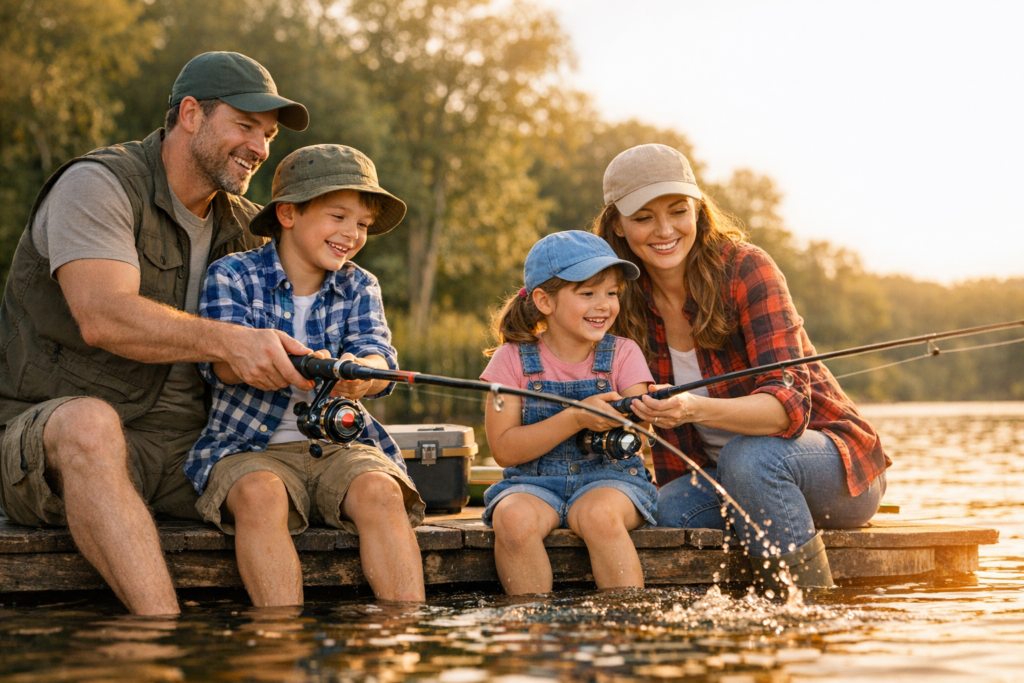
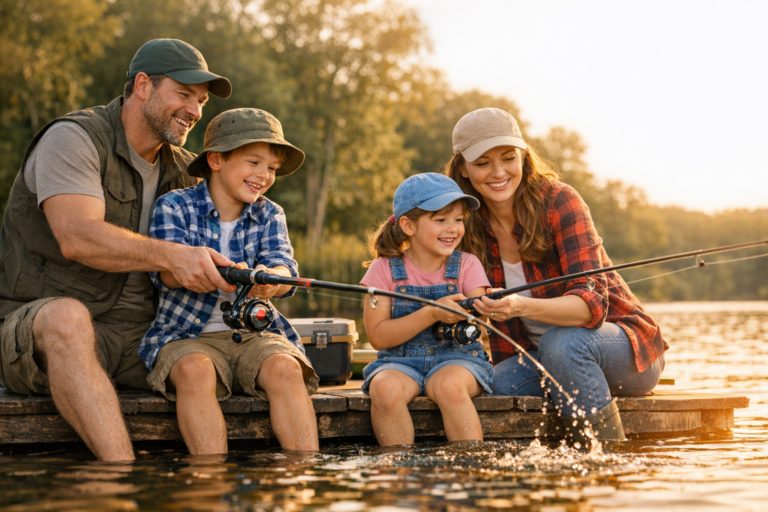
A family fishing trip should feel simple, not scattered. The best outings usually start before the first cast, with the right gear packed, the right bank picked, and realistic expectations for kids, beginners, snacks, weather, and short attention spans.
This checklist is built for small lakes, neighborhood ponds, FINs waters, and quick bank-fishing trips where the goal is not perfection. The goal is a calm, safe, memory-making day near the water.
What Should a Family Bring for a Stress-Free Lake Fishing Trip?
A family-friendly lake fishing checklist should include simple rods, legal bait or beginner lures, bobbers, hooks, pliers, a small first-aid kit, sunscreen, water, snacks, towels, trash bags, extra clothes, bug protection, a valid fishing license for anyone who needs one, and a plan for where to fish before you arrive.
The secret is not packing more. The secret is packing what keeps the trip moving when someone is hungry, tangled, wet, bored, sunburned, or holding their first fish.
Why Family Fishing Trips Fall Apart Faster Than Regular Fishing Trips
Most fishing advice assumes everyone on the bank wants to fish for hours. Family trips are different. Someone may want to fish. Someone else may want to throw rocks. A younger child may be excited for ten minutes, scared of worms, proud of a bluegill, and completely done before the first hour is over.
That does not mean the trip failed. It means the trip needed a family plan instead of a tournament plan.
A stress-free fishing trip starts with one simple shift: stop building the day around catching the biggest fish. Build it around making the first hour easy. If the first hour goes well, the rest of the trip has a chance.
That is why EveryLakeGuide teaches anglers to start with the lake, not the lure. Before you worry about the perfect bait, look for shade, safe footing, open casting room, wind direction, nearby restrooms, and fishy-looking water close enough for kids to enjoy without a long walk.
Family Fishing Reality Check
Before you pack the car, ask yourself these five questions. They help turn a random trip into a calm plan.
- Do we know where we will park, walk, and set up before we arrive?
- Do we have a backup bank if the first spot is crowded, muddy, windy, or unsafe?
- Are the rods already rigged simple enough for beginners?
- Do we have pliers, towels, water, snacks, sunscreen, and a small first-aid kit?
- Are we treating “one fish, one good lesson, or one peaceful hour” as a successful trip?
The Core Family Fishing Checklist
This is the simple version. You can add more gear later, but this starter list will cover most short bank-fishing trips at small lakes and neighborhood waters.
| Category | What to Bring | Why It Matters |
|---|---|---|
| Fishing Gear | Simple rods, bobbers, small hooks, sinkers, bait, beginner lures, extra line | Keeps kids casting and catching instead of waiting for constant repairs. |
| Fish Handling | Pliers, forceps, small towel, wet hands, barbless or crimped hooks | Makes hook removal faster, safer, and easier on the fish. |
| Safety | First-aid kit, sunscreen, bug spray, life jackets where needed, hand wipes | Small problems feel bigger when you are far from the car. |
| Comfort | Water, snacks, folding chairs, hats, extra clothes, light rain jacket | Hungry, hot, tired kids do not care how good the fishing is. |
| Clean-Up | Trash bag, bait container lid, towel, zip bag for used line | Leaves the bank better than you found it and keeps gear organized. |
| Planning | License check, lake rules, weather check, wind direction, backup spot | Prevents avoidable stress before the first cast. |
Kentucky anglers should always check current Kentucky Fish & Wildlife rules before fishing. Youth 15 and younger are generally license-exempt, while anglers 16 and older need the proper fishing license unless another exemption applies. Rules, creel limits, bait restrictions, and special regulations can vary by water. You can verify current requirements through the Kentucky Fish & Wildlife FAQ, the Kentucky Fishing and Boating Guide, and the FINs lake regulations page.
Before You Leave Home: Make the Trip Easier in 15 Minutes
The most stressful part of a family fishing trip usually happens before the first cast. Rods are tangled. Hooks are missing. Someone cannot find shoes. The bait is still at the store. The lake is farther than expected. The first bank is full. By the time everyone reaches the water, the fun has already leaked out of the day.
You can fix most of that with a short pre-trip routine.
Rig the rods before you go
For beginners and kids, do not start with complicated rigs. A basic bobber setup with a small hook, a split shot, and live bait or soft bait is often enough to make the trip feel active. Bluegill, sunfish, small bass, and stocked fish are usually more important to a family outing than chasing one trophy bite.
If you are bringing more than one child, rig the rods at home. Waiting for knots at the lake feels twice as long when someone is excited, hungry, or standing too close to another person’s backswing.
Pick the bank before you pick the bait
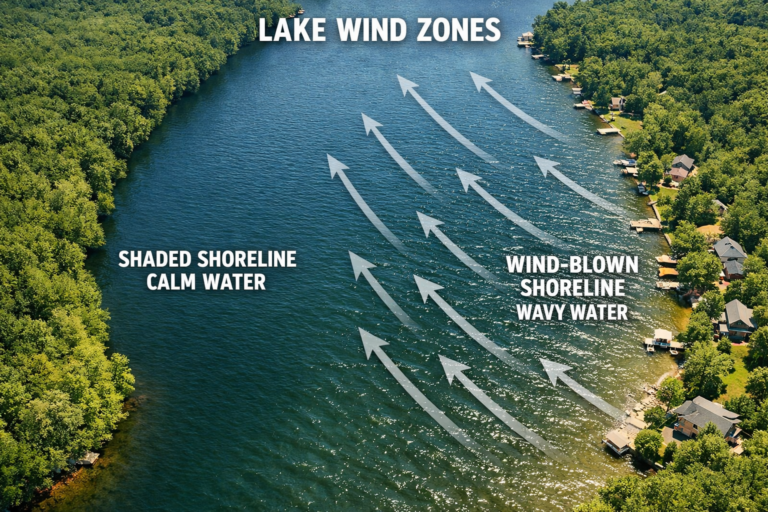
Look at the lake before you leave. Even a simple satellite view can help. Find parking, walking distance, restrooms, shade, and open bank space. Then think about wind. A light wind can push food, warmth, and activity toward one side of the lake, which is why wind direction matters so much in small-water fishing.
For a deeper explanation, read How Wind Direction Predicts Where Fish Will Be on Any Lake. If you want help choosing the safest and most productive shoreline, pair that with How to Pick the Best Bank Before You Ever Tie On a Lure.
Set a short-trip goal
The best goal for a family fishing trip is not “catch a limit.” A better goal is “fish for one calm hour,” “help each child make a few good casts,” or “catch and safely release one fish.” That kind of goal keeps the day from feeling like a failure if the bite is slow.
The 2-Hour Family Fishing Plan
If you only have a short window, use this simple structure.
| Time | What to Do | Why It Helps |
|---|---|---|
| First 10 minutes | Walk slowly, check wind, look for shade, watch the water, and choose the safest bank. | This prevents rushing into a poor spot just because it is closest. |
| Minutes 10–40 | Start with bobbers or simple beginner lures near visible cover, edges, or shaded water. | Kids stay engaged when they can see the setup and watch for movement. |
| Minutes 40–70 | Move only if the first bank is dead, crowded, unsafe, or uncomfortable. | One smart move is better than wandering the whole lake. |
| Minutes 70–100 | Let the kids help choose one more cast, one more spot, or one more bait change. | Ownership keeps the trip fun even when the fishing is slow. |
| Final 20 minutes | Take a photo, clean up line and trash, talk about what worked, and leave before everyone is exhausted. | Ending on a good note makes the next trip easier. |
For more detail, read How to Build a Simple 2-Hour Fishing Plan for Any Small Kentucky Lake.
What to Pack for Kids and First-Time Anglers
Kids do not need expensive gear to enjoy fishing. They need gear that fits their hands, does not tangle every two minutes, and gives them a real chance to see a bobber move.
Use simple rods
A short spinning rod, spincast rod, or beginner combo can work well. The key is control. A child who cannot manage the rod will spend the trip frustrated, and the adult will spend the trip untangling line.
Bring extra bobbers and hooks
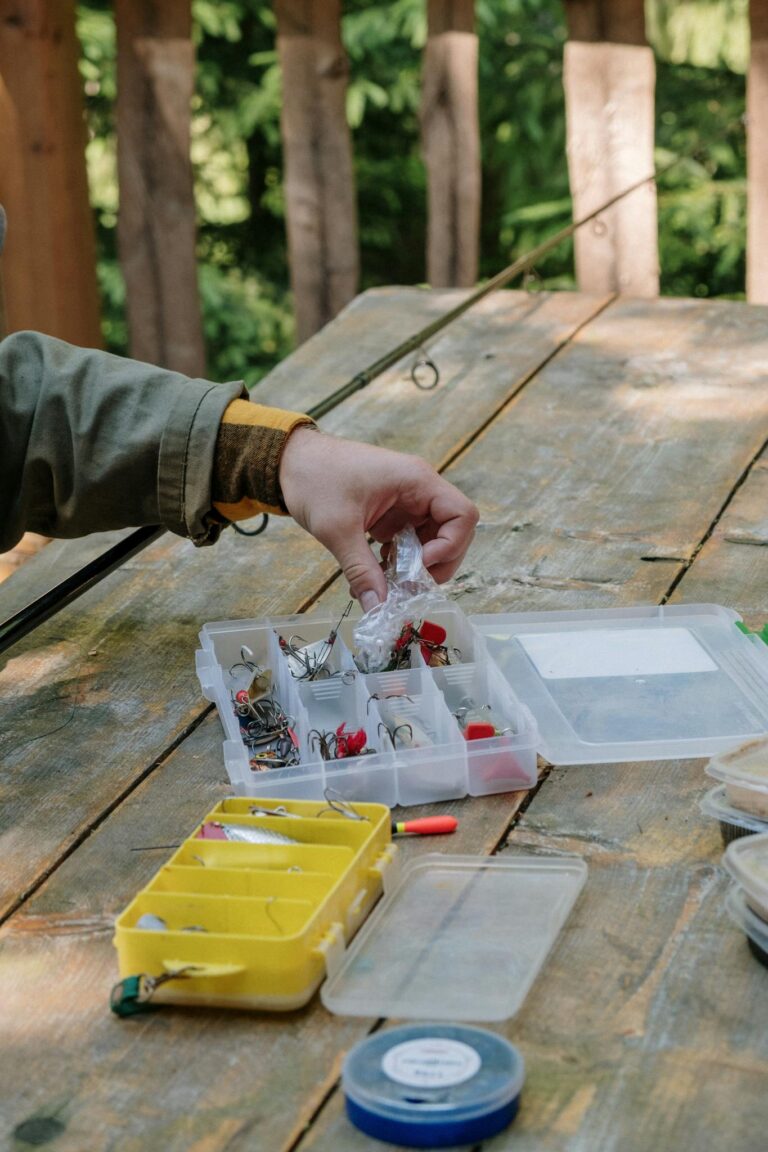
Bobbers disappear. Hooks bend. Sinkers fall off. Lines break. None of that should end the trip. A small plastic box with extra hooks, split shots, bobbers, and a few backup lures is more useful than a giant tackle bag full of choices nobody understands.
Use bait that creates action
For family trips, action matters. Worms, wax worms, small pieces of nightcrawler, corn where legal, or simple panfish bait can keep kids interested because bites are easier to see. Always check the specific lake rules before using live bait, cast nets, or baitfish. Some managed waters have special bait restrictions.
Pack comfort like it is part of the fishing gear
Water, snacks, shade, hats, sunscreen, and a towel can save the day. A family trip can fall apart from heat, hunger, bugs, or wet socks long before the fish stop biting.
Family-Friendly Bank Selection Checklist
Use this quick bank check before anyone starts casting.
- Can everyone stand safely without slipping, crowding, or casting over each other?
- Is there open room behind the anglers for backcasts?
- Is the bank close enough to the car if someone gets tired, cold, wet, or hungry?
- Is there shade nearby, especially during warmer months?
- Can you see signs of fish activity, such as ripples, baitfish, insects, bluegill beds, or movement near cover?
- Is the wind helping the bank instead of making it impossible for beginners to cast?
- Is there a second spot nearby if the first one does not work?
For a stronger first-stop routine, read The First 10 Minutes at Any Lake: What Smart Bank Anglers Look For Before Casting.
The Tackle Box That Makes Family Fishing Easier
One mistake many adults make is packing for every possible situation. That can create more confusion, not less. Family fishing works better with a small, organized box built around easy choices.
| Item | Best Use | Family-Friendly Tip |
|---|---|---|
| Small hooks | Bluegill, sunfish, stocked trout, small catfish | Small hooks catch more beginner-sized fish than oversized hooks. |
| Bobbers | Watching bites | Bobbers give kids something visual to follow. |
| Split shot | Getting bait down | Use just enough weight to keep the bait in place. |
| Pliers or forceps | Hook removal | Keep them in your pocket, not buried in the tackle bag. |
| Small soft plastics | Bass, bluegill, crappie | Choose simple colors and shapes before overthinking it. |
| Inline spinners | Covering water | Great for older kids who want to cast and reel. |
| Trash bag | Cleanup | Also works for wet towels, muddy shoes, or empty bait containers. |
The goal is not to impress anyone with tackle. The goal is to reduce decisions so the trip stays fun.
Fish-Friendly Release Tip: Make Hook Removal Part of the Family Lesson
One of the best lessons a child can learn on a fishing trip is how to respect the fish after the catch. That lesson does not have to be heavy or complicated. It can be as simple as slowing down, wetting your hands, using pliers, and getting the fish back into the water quickly.
Barbless hooks, or hooks with the barb crimped down, can make this much easier. They usually come out faster, which means less handling time and less damage to the fish. I have used barbless hooks for years because they make releasing fish alive simpler and cleaner, especially on family trips where beginners may catch smaller fish.
- Wet your hands before touching the fish.
- Keep the fish low and close to the water when possible.
- Use pliers or forceps instead of fingers when the hook is awkward.
- Back the hook out the same way it went in.
- Consider crimping barbs before the trip to make release easier.
- If a fish is deeply hooked, avoid tearing. Cut the line close when that is the safest option.
- Release the fish gently and give it a moment to swim away on its own.
This is not about turning a fun trip into a lecture. It is about helping new anglers understand that catching the fish is only part of the job. Handling it well matters too.
Food, Water, Weather, and the Stuff That Saves the Day
On family trips, the “non-fishing” items often matter most. A slow bite is manageable. A thirsty child, a sunburn, a forgotten snack, or a scraped finger can end the trip fast.
Bring more water than you think you need
Fishing near open water can feel cooler than it really is, especially with a breeze. Kids may not ask for water until they are already cranky or tired. Keep water easy to reach.
Pack clean snacks
Choose snacks that are easy to eat with messy hands. Granola bars, crackers, fruit, trail mix, and simple sandwiches work better than anything that melts, spills, or requires a full setup.
Plan for mud and wet clothes
A towel, extra socks, and a plastic bag can turn a small accident into a funny moment instead of a ruined trip. Even careful kids step in soft mud, splash water, or sit somewhere damp.
Check the weather, but also check the wind
Weather tells you what the sky may do. Wind tells you what the water may do. A gentle breeze can help position fish. Strong wind can make casting harder and banks less safe for beginners. That is why a family plan should include both weather and wind direction.
Simple “Do Not Forget” List
Copy this list into your phone before the next trip.
- Fishing licenses for anyone who needs one
- Current lake rules, creel limits, and bait restrictions checked
- Rods rigged before leaving home
- Small tackle box with hooks, bobbers, sinkers, and backup lures
- Bait or beginner lures packed
- Pliers or forceps in an easy-to-reach pocket
- First-aid kit
- Sunscreen, hats, and bug protection
- Water and snacks
- Towels, wipes, and trash bag
- Extra socks or clothes for kids
- Plan A bank and Plan B bank
- Phone charged for weather, photos, and directions
How to Keep Kids Interested When the Bite Is Slow
Not every family trip will produce steady action. That is normal. The important thing is to avoid making the whole outing feel like waiting.
Give kids small jobs. Let one child watch the bobber. Let another choose between two safe spots. Ask them what they notice in the water. Are there bugs? Are minnows near the edge? Is the wind blowing leaves into one corner? Are birds feeding near the surface?
This turns fishing into lake-reading. That skill matters more over time than any single lure. It also supports the larger EveryLakeGuide idea: when you understand the water, you make better decisions.
If you want to build that habit, read How to Find Fish in a Lake: A Beginner-Friendly Lake Reading Guide.
Beginner Mistakes That Make Family Fishing Harder
- Bringing too many lures and not enough snacks.
- Choosing the closest bank instead of the safest bank.
- Starting with gear that is too complicated for kids.
- Fishing too long after everyone is tired.
- Forgetting pliers, towels, or a first-aid kit.
- Ignoring wind direction and then fighting bad casting conditions.
- Treating a slow bite like a failed trip.
- Waiting until the lake to explain casting safety.
The easiest fix is to simplify. One small box. One safe bank. One short plan. One good lesson. That is enough.
A Better Way to Judge a Family Fishing Trip
Adults often judge fishing by numbers. How many did we catch? How big were they? Did we find the right pattern?
Families should judge trips differently.
Did the kids learn how to cast safely? Did someone see a bobber go under? Did they touch a fish for the first time? Did they learn to wet their hands before release? Did they notice wind pushing into one bank? Did they leave wanting to go again?
Those are wins.
A child who enjoys the first few trips is more likely to become a confident angler later. That confidence grows from calm repetition, not pressure. A short, successful outing beats a long, exhausting one almost every time.
Image Ideas for This Post
Use original photos, your own graphics, or WordPress media library images for publish-safe visuals. Good options include:
- A flat-lay photo of a family fishing checklist with rods, bobbers, snacks, water, towel, and pliers.
- A simple graphic titled “Family Fishing Trip: Pack This First.”
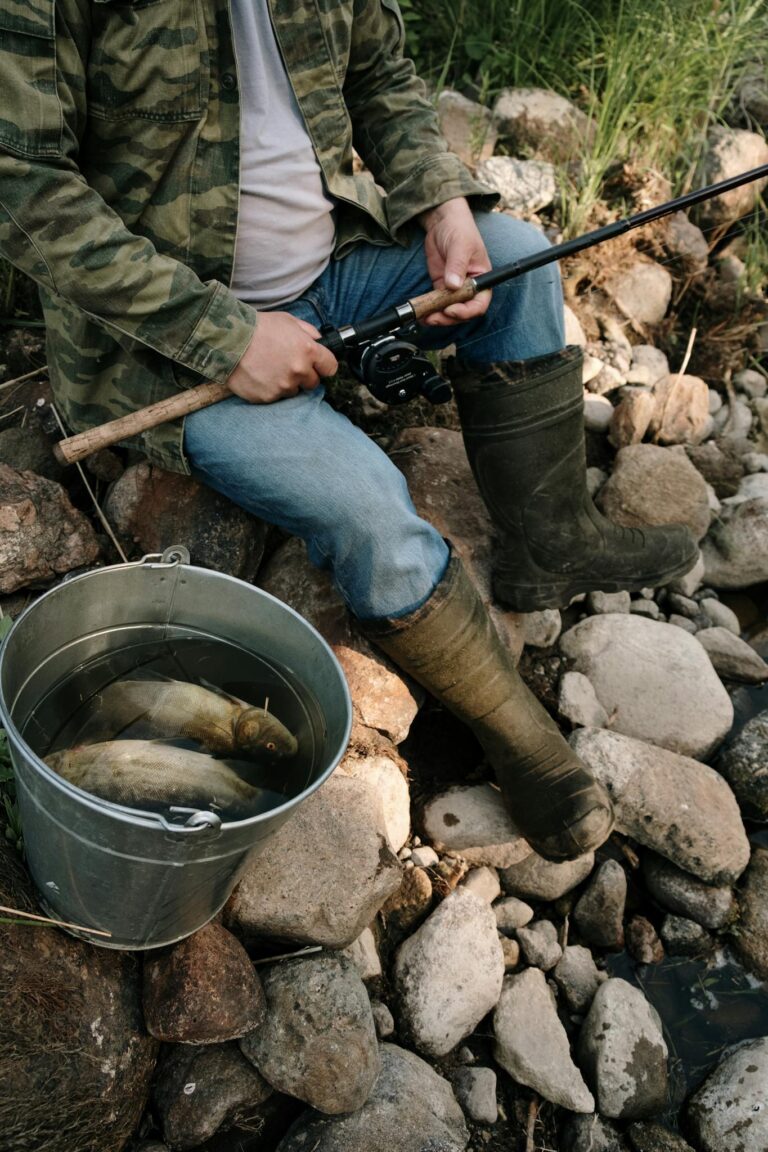
- A bank-fishing scene showing safe spacing between anglers.
- A close-up graphic showing pliers, barbless hook, wet hands, and gentle release.
- A simple “Plan A Bank / Plan B Bank” lake diagram for beginners.
Family Fishing FAQs
What is the best fishing setup for a family lake trip?
A simple bobber setup is often best for young kids and first-time anglers. Use a small hook, a small split shot, and bait that matches the lake rules. The setup is easy to understand because kids can watch the bobber and react when it moves.
How long should a family fishing trip last?
For beginners, one to two hours is often enough. It is better to leave while everyone is still having fun than to stretch the trip until kids are tired, hungry, or frustrated.
Do kids need a fishing license in Kentucky?
Kentucky Fish & Wildlife says fishing licenses and trout permits are required beginning at age 16, while youth 15 and younger are exempt. Adults and older teens should check the current rules before each trip, especially if fishing a special regulation water.
What should families do if a fish swallows the hook?
Do not tear at the hook. If the fish is deeply hooked and you plan to release it, the safest option may be to cut the line close and release the fish gently. Keeping pliers nearby and using barbless or crimped hooks can help prevent rough hook removal.
What makes a lake bank family-friendly?
A family-friendly bank has safe footing, open casting room, nearby parking, manageable wind, shade if possible, and enough space for beginners to spread out. The most comfortable bank is often better than the most technical fishing spot.
Final Takeaway: Make the First Hour Easy
The best family fishing trips are not built around perfect gear or secret lures. They are built around preparation, comfort, safety, and simple lake-reading.
Pack the basics. Choose the bank before you cast. Keep the first trip short. Bring snacks. Keep pliers close. Teach fish-friendly release. Watch the wind. Celebrate small wins.
That is how a fishing trip becomes more than a few casts from shore. It becomes a family memory worth repeating.